Should You Tint a New Car Right Away in Florida? A Guide for St. Augustine and Northeast Florida Drivers
You just drove your new car off the lot. It smells new, the dashboard is spotless, and the leather is perfect. Then you park it in a sunny lot along US-1 on a 90-degree St. Augustine afternoon and come back to a cabin that feels like an oven. That's usually the moment new owners start asking whether they should tint their car right away or wait.
Here is the short answer: yes, in Florida it usually makes sense to tint a new car as soon as you reasonably can, ideally within the first few days or weeks of ownership. UV rays and heat start working on your interior from day one, new glass is clean and ideal for installation, and there's no factory reason you need to wait. The only things worth checking first are Florida tint laws, windshield sensors, lease terms, and whether you plan other upgrades like paint protection.
All About Tint has been tinting vehicles in St. Augustine since 1989. As a locally owned LLumar SelectPro dealer and the exclusive FormulaOne dealer for St. Augustine and St. Johns County, we've helped thousands of new car owners across Ponte Vedra Beach, Nocatee, St. Augustine Beach, Jacksonville, and Palm Coast protect their vehicles from the start. Here's what you need to know before you book.

Quick Answer: When Should You Tint a New Car in Florida?
- Best time: Within the first days or weeks after purchase, before sun damage and heat buildup start adding up.
- No break-in period needed: New car glass doesn't need to "settle" before tint is applied.
- Check first: Florida tint limits, windshield camera locations, and any lease restrictions.
- Plan the order: If you're also getting paint protection film or ceramic coating, schedule them so each install goes smoothly.
- Choose quality film: A ceramic film with a lifetime warranty protects your new car for as long as you own it.
Why Tinting a New Car Early Makes Sense in Florida
Sun Damage Starts on Day One
Florida's sun doesn't wait for your first oil change. UV rays pass through untinted side and rear glass every time your car sits outside, slowly fading and drying out leather, vinyl, dashboards, and trim. Quality window tint blocks 99% of harmful UV rays, so getting it installed early means your interior stays closer to showroom condition from the start.
Comfort From Your First Summer Drive
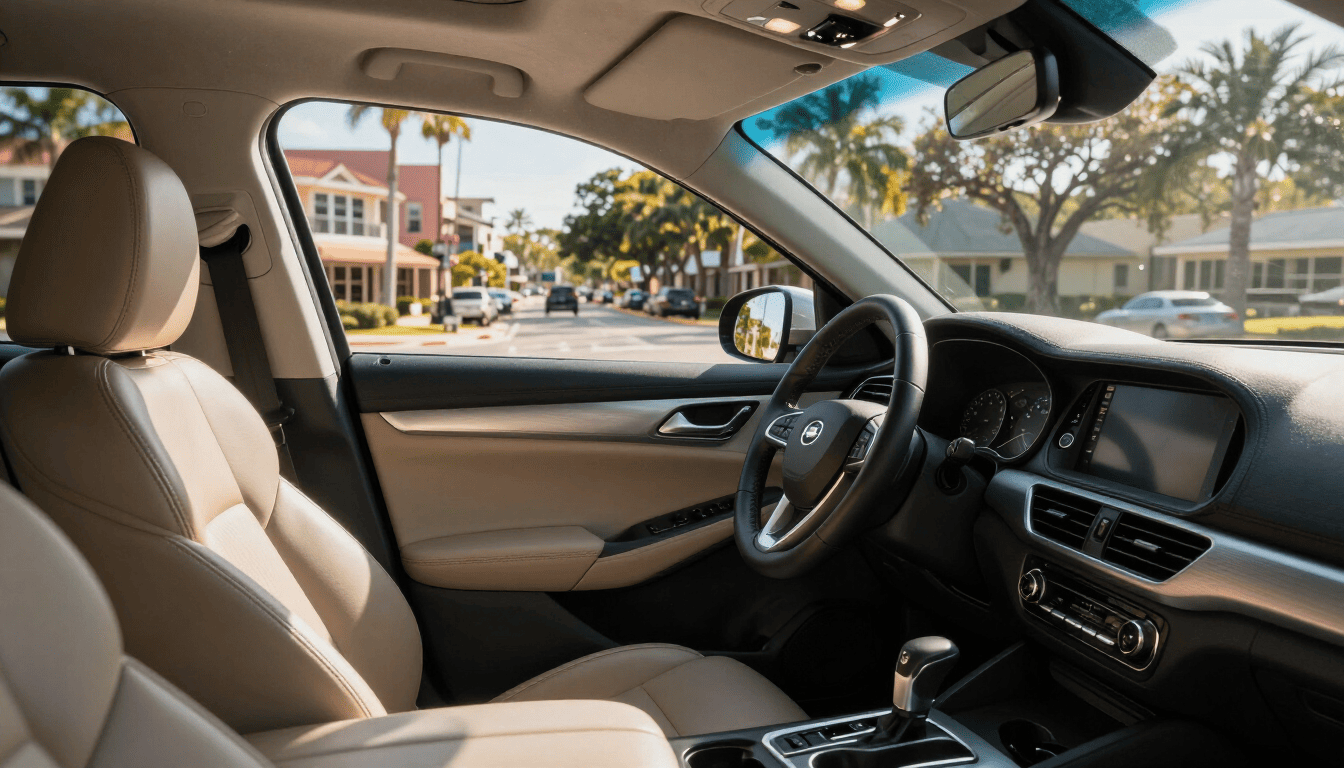
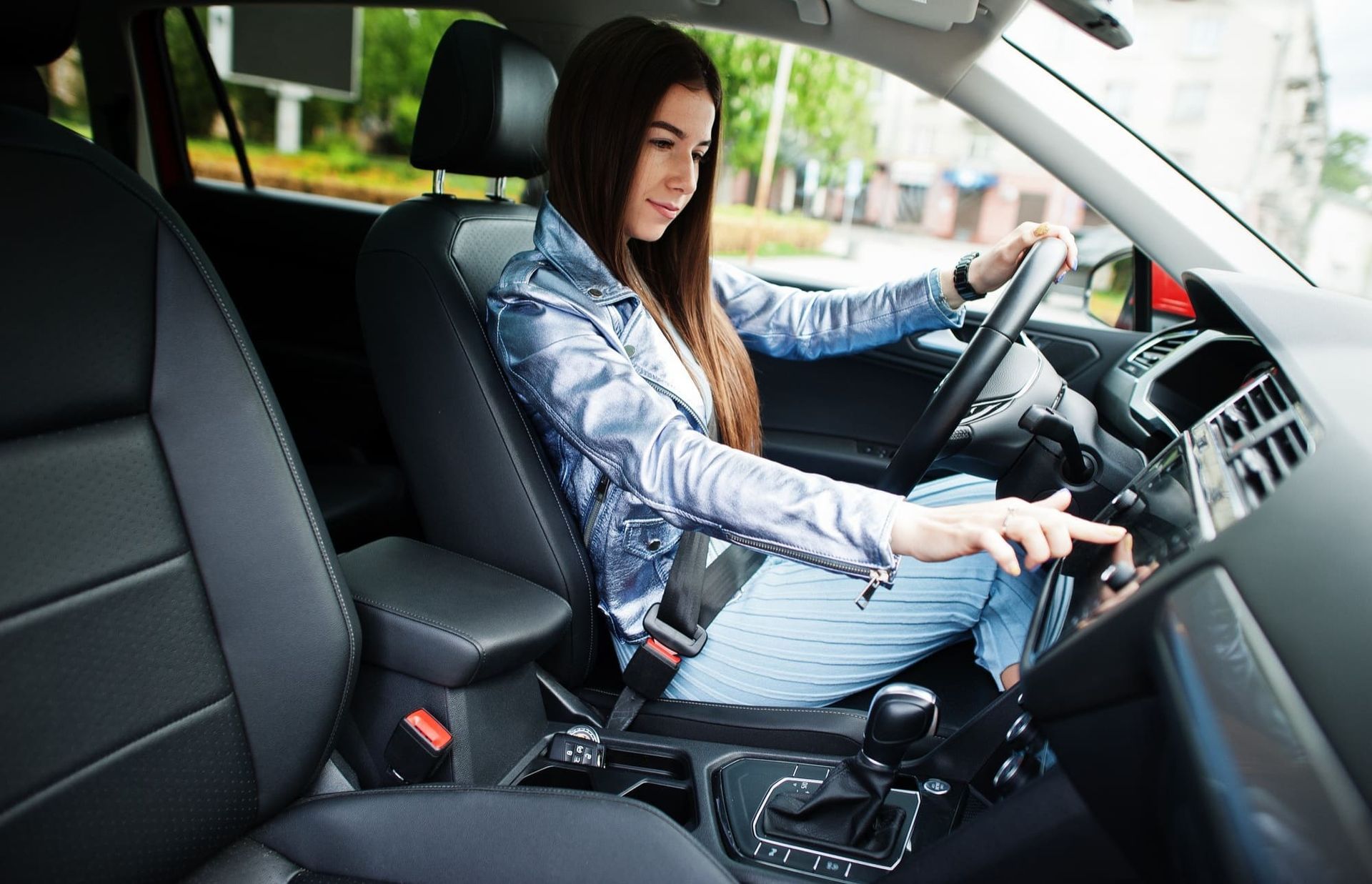
In Northeast Florida, heat and humidity keep air conditioning running for much of the year. Untinted glass lets solar heat pour into the cabin, so seats and steering wheels get hot and the A/C takes longer to catch up. Tinting right away means you enjoy a cooler, more comfortable new car instead of putting up with the heat for months.
New Glass Is Ideal for Installation
New car glass is clean, undamaged, and free of old film or adhesive. There's no tint removal to pay for and no scratches or residue to work around. That makes for a smoother installation and a cleaner finish.
Protecting Your Investment and Resale Value
Faded dashboards and cracked leather lower a car's value. Starting with tint protects your interior for the long run, and a FormulaOne transferable lifetime limited warranty can even travel with the vehicle if you sell it (certain restrictions apply).
Coastal Glare Is Constant
Driving along A1A, over the Bridge of Lions, or anywhere near the water means bright glare from sand, water, and light pavement. Tint helps reduce eye strain during morning and late-afternoon drives, which makes a big difference in daily comfort.
Factory Privacy Glass vs. Window Tint: What's the Difference?
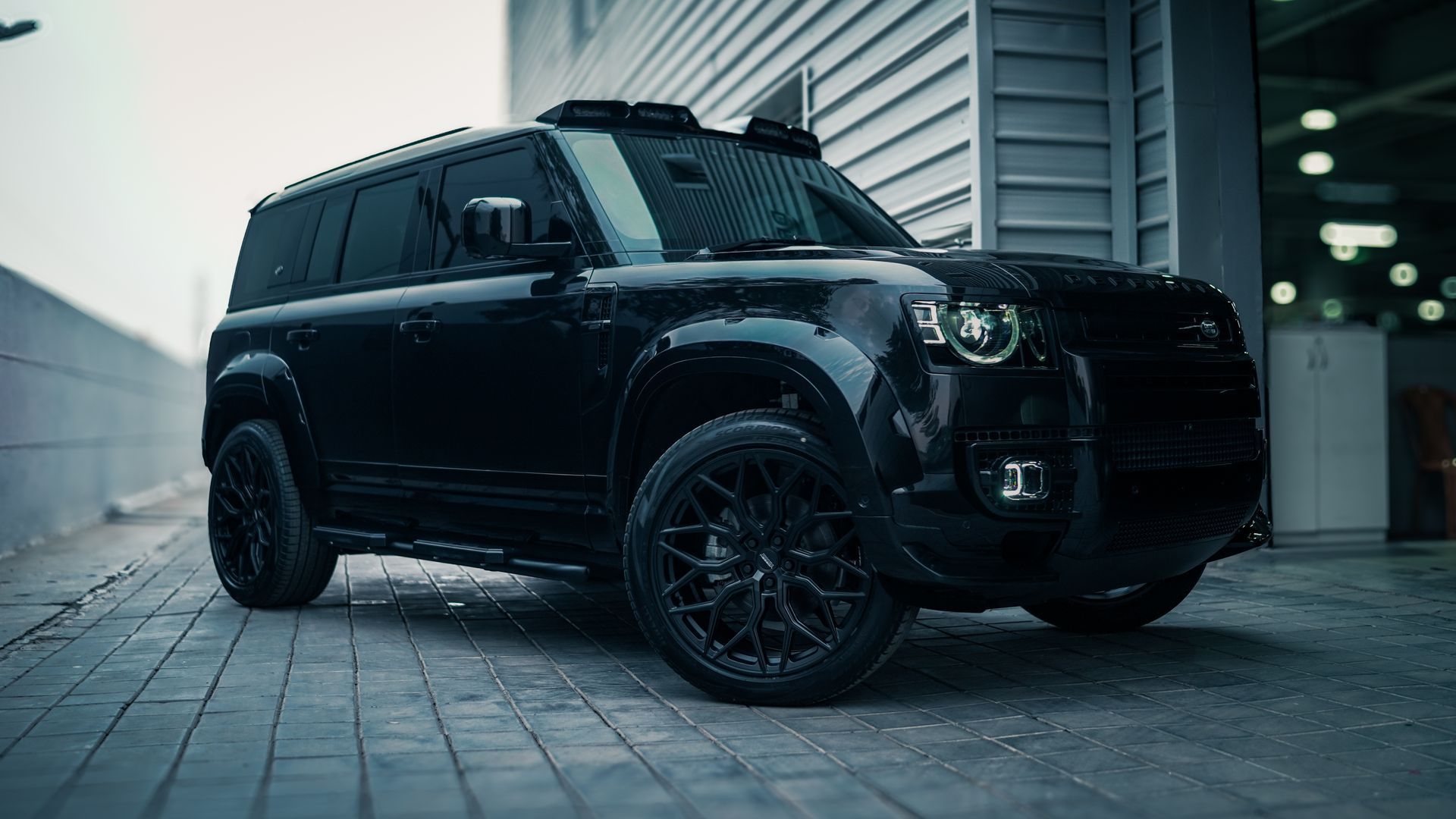
Many new SUVs, trucks, and minivans come with dark rear windows from the factory. A lot of owners assume that means the car is already tinted. It isn't quite the same thing.
| Feature | Factory Privacy Glass | Professional Window Tint |
|---|---|---|
| What it is | Pigment built into the glass | Film applied to the inside of the glass |
| Where it's found | Usually rear side and rear windows only | Any window you choose, within legal limits |
| Heat rejection | Limited | Strong, especially with ceramic films |
| UV protection | Partial | Up to 99% |
| Front side windows | Typically clear | Can be tinted legally to Florida limits |
| Holds glass together if broken | No | Yes, helps hold shattered glass in place |
| Customizable shade | No | Multiple shades available |
Factory privacy glass mainly darkens the window for privacy. It doesn't block nearly as much heat as a quality film. Many owners add a ceramic film over factory privacy glass for better heat control, and to tint the front side windows so the whole car is consistent and comfortable.
Dealer Tint vs. Professional Aftermarket Tint
Some dealerships offer tint as an add-on at the time of purchase. It can seem convenient, but it's worth comparing before you sign.
| Factor | Typical Dealer Add-On Tint | All About Tint (FormulaOne) |
|---|---|---|
| Film brand and type | Often unspecified or entry-level | Exclusive LLumar FormulaOne films |
| Heat rejection options | Limited choices | Ceramic and nano-ceramic options |
| Shade selection | Few choices | Multiple shades, light to dark |
| Warranty | Varies, may not transfer | Transferable lifetime limited warranty |
| Installer | Often a subcontractor | LLumar SelectPro certified installers |
| Pricing transparency | Often bundled into financing | Clear, upfront quote |
Before agreeing to dealer tint, ask what brand and series of film is being used, who installs it, and what the warranty covers. If those answers are vague, a dedicated tint shop is usually the better choice.
What to Check Before Tinting Your New Car
Florida Tint Laws
Florida law requires front side windows to let in at least 28% of light on all passenger vehicles. Rear side and rear windows must let in at least 15% on sedans, or at least 6% on SUVs, trucks, and vans. Windshield tint is allowed only above the manufacturer's AS-1 line, and front side windows can't be more than 25% reflective. Because Florida measures light through the film and glass together, a professional installer accounts for your factory glass so your new car stays legal.
Windshield Cameras and Sensors
Many new vehicles have lane-keeping cameras, rain sensors, and other driver-assist equipment mounted at the top of the windshield. A professional installer will work around these areas when applying a windshield sun strip so your safety systems keep working properly.
Leases and Financing
If you're leasing, check your agreement for any rules about modifications. Window tint is generally considered an accessory, but it's smart to confirm before installation.
Your Factory Warranty
Professionally installed window tint is an aftermarket accessory and generally doesn't affect your vehicle's factory warranty. If you have questions about a specific manufacturer, check with your dealer.
Other Protection Upgrades
If you're also planning paint protection or ceramic coating, let us know so we can help you plan the timing. Coordinating upgrades early avoids scheduling headaches and keeps your new car protected inside and out.
Choosing the Right FormulaOne Film for a New Car
| Film | Construction | Infrared Heat Rejection | Best For |
|---|---|---|---|
| FormulaOne Stratos | Nano-ceramic, Hybrid-Matrix | Up to 96% | Maximum heat rejection and comfort |
| FormulaOne Pinnacle | Nano-ceramic, metal-free | Up to 78% | Popular all-around choice with clear signals |
| FormulaOne Comfort | Metallized and dyed | Strong reflective heat control | Reflective look and glare control |
| FormulaOne Classic | Deep-dye charcoal | Good | Style and UV protection on a budget |
All FormulaOne films block 99% or more of harmful UV rays and carry a transferable lifetime limited warranty. For most new vehicles in Florida, we recommend Stratos or Pinnacle because their ceramic construction keeps the cabin cooler without interfering with phones, GPS, or keyless entry.

Our New Car Tinting Process
1. Free Consultation
Tell us about your new vehicle and your goals, whether that's maximum heat rejection, more privacy, or a factory-matched look. We'll show you film samples and our online tint viewer, and recommend a film that fits Florida law and your budget.
2. Precision Preparation
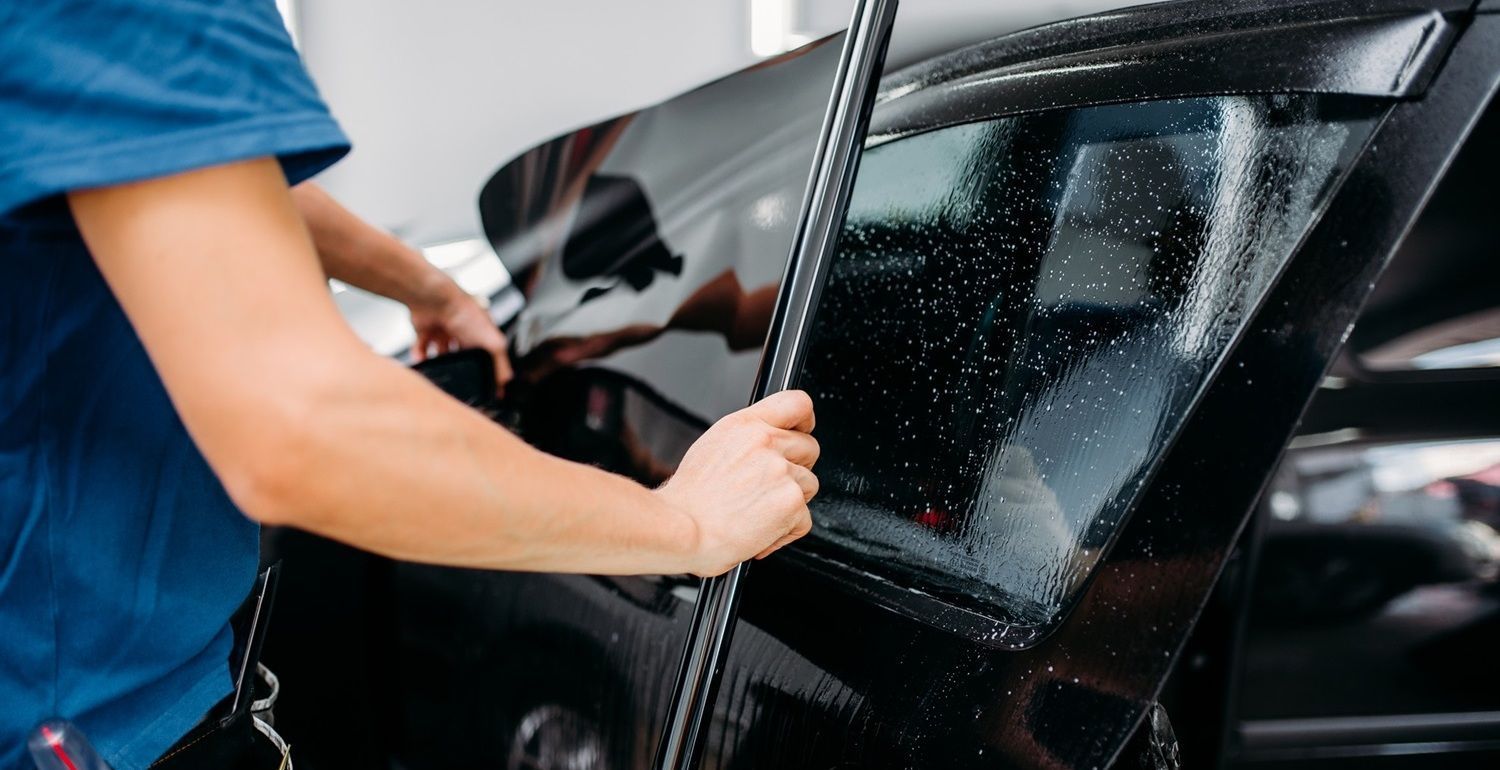
Film is cut to match your vehicle's glass, and every window is cleaned and prepped for a smooth, clean install. We take care around trim, seals, defroster lines, and windshield sensors.
3. Expert Installation
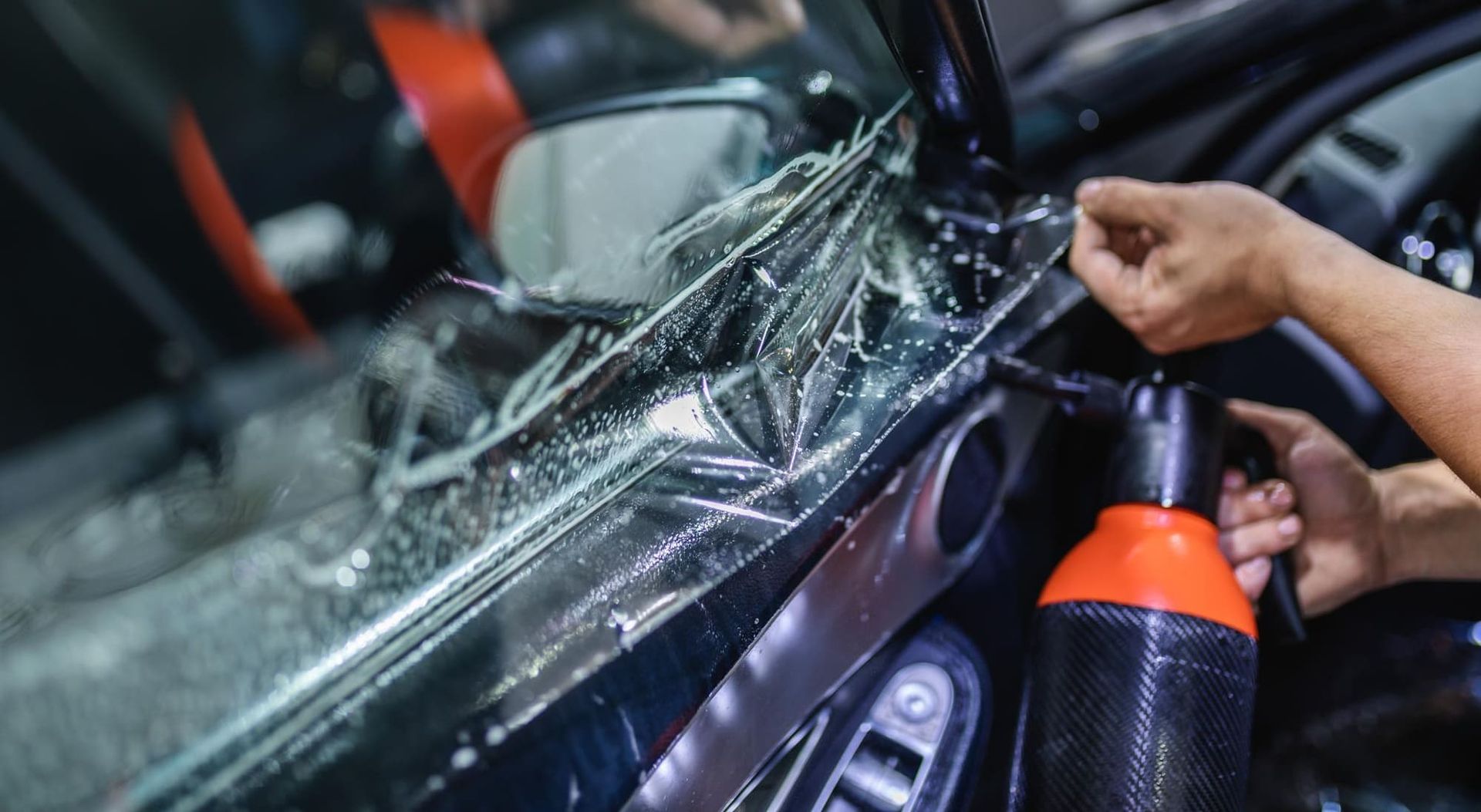
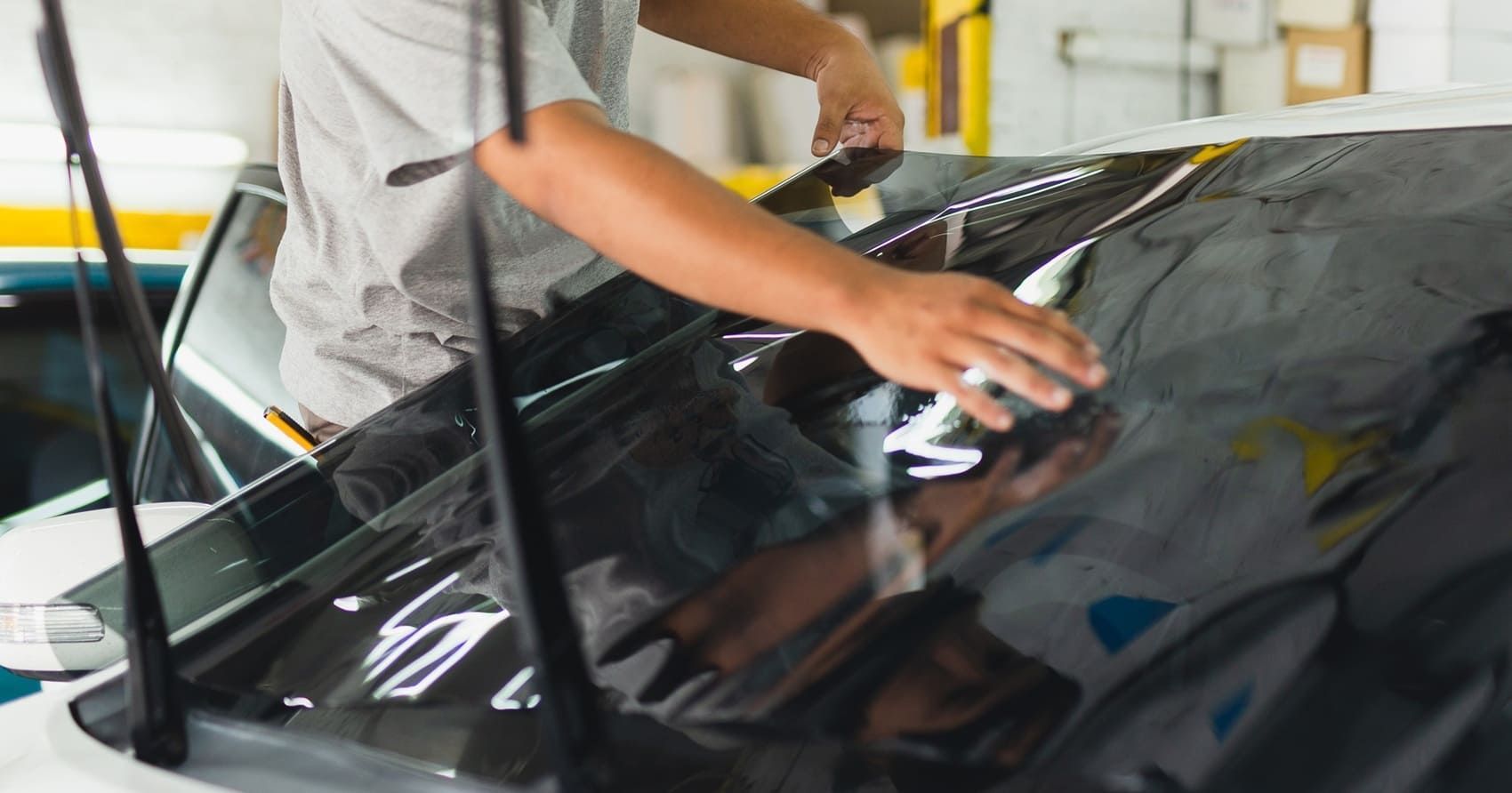
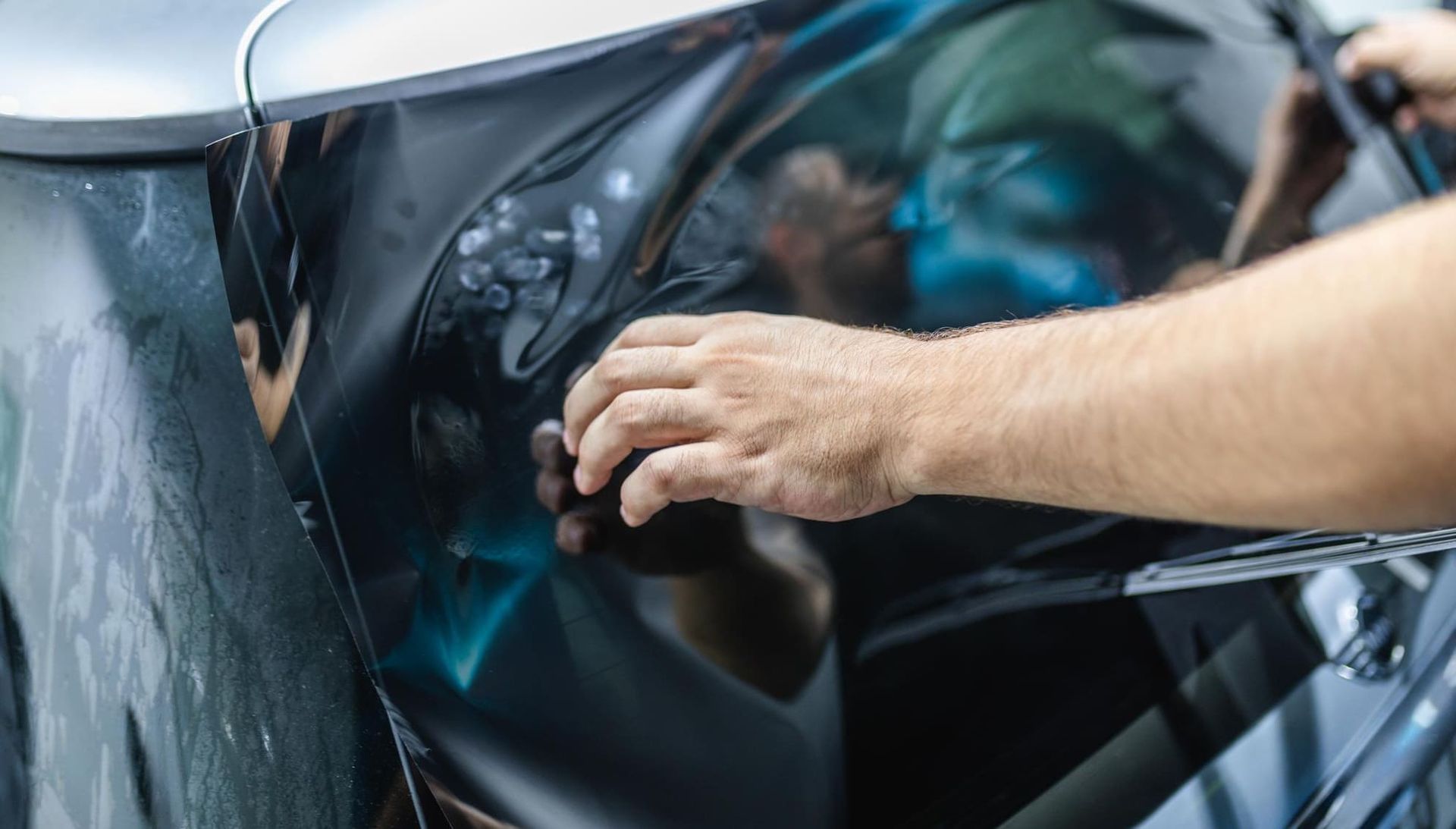
Our LLumar SelectPro certified installers apply the film with a focus on clean edges and a consistent appearance. Most vehicles take about 2 to 4 hours, and many customers wait while we work.
4. Final Review and Warranty
We walk you through curing, cleaning, and your lifetime warranty details before you leave, so you know exactly what to expect.
How to Care for Tint on Your New Car
- Wait before rolling windows down: Give the film at least 2 to 4 days, depending on the weather, to prevent edge lifting.
- Expect a short curing period: In Florida humidity, curing can take a few days to a couple of weeks. Light haze or small water pockets are normal at first and clear as the film dries.
- Clean gently: Use a soft microfiber cloth and an ammonia-free cleaner.
- Avoid abrasive tools: Skip scrapers and rough pads on tinted glass.
- Keep your paperwork: Save your receipt and warranty documents, especially if you might sell the car later.
Why Northeast Florida Drivers Choose All About Tint
All About Tint has served St. Augustine and St. Johns County since 1989. We're locally owned and operated, not a national chain, and we understand the coastal sun, glare, and heat Northeast Florida drivers deal with every day. As a LLumar SelectPro dealer, we offer the exclusive FormulaOne line, backed by a transferable lifetime limited warranty and full warranty support from our team.
We've protected more than 1,000 vehicles, and many of our customers bring us every new car they buy. They tell us they appreciate our fast service, honest recommendations, and clean, bubble-free results.
Frequently Asked Questions About Tinting a New Car
How soon can you tint a new car?
You can tint a new car right away. There's no waiting period needed for new glass, and tinting early protects your interior from UV damage and heat from the start.
Does window tint void a new car warranty?
Professionally installed window tint is an aftermarket accessory and generally doesn't affect your vehicle's factory warranty. If you have concerns about a specific manufacturer, check with your dealer.
Is factory privacy glass the same as window tint?
No. Factory privacy glass is pigmented glass that mostly adds privacy. It offers limited heat rejection compared to a quality ceramic film, and front side windows are usually left clear.
Should I get tint from the dealership?
You can, but ask what film brand and series they use, who installs it, and what the warranty covers. A dedicated tint shop typically offers more film choices, certified installers, and stronger warranty coverage.
Can I tint over factory privacy glass in Florida?
Yes, as long as the combined darkness stays within Florida's legal limits. A professional installer will choose a film that keeps your windows legal.
How long does it take to tint a new car?
Most vehicles take about 2 to 4 hours, depending on the number of windows, vehicle type, and film selected.
Protect Your New Car From Day One
In Florida, the best time to tint a new car is early. Starting with quality film keeps your cabin cooler, blocks 99% of UV rays, cuts coastal glare, and helps your interior stay like new for years. Just make sure your tint is legal, installed around your vehicle's sensors, and backed by a warranty you can count on.
If you live in St. Augustine, Ponte Vedra Beach, Nocatee, St. Augustine Beach, Fruit Cove, Jacksonville, Palm Coast, or anywhere in St. Johns, Duval, Flagler, Clay, or Putnam counties, All About Tint can help you choose the right FormulaOne film for your new vehicle.
Call (904) 806-5996 or request a
free quote online. Visit us at 3175 US-1 #1, St. Augustine, FL 32086, Monday through Friday from 8:00 AM to 5:00 PM and Saturday from 8:00 AM to 12:00 PM.