Which Windshield Tint Options Are Safe and Compliant?
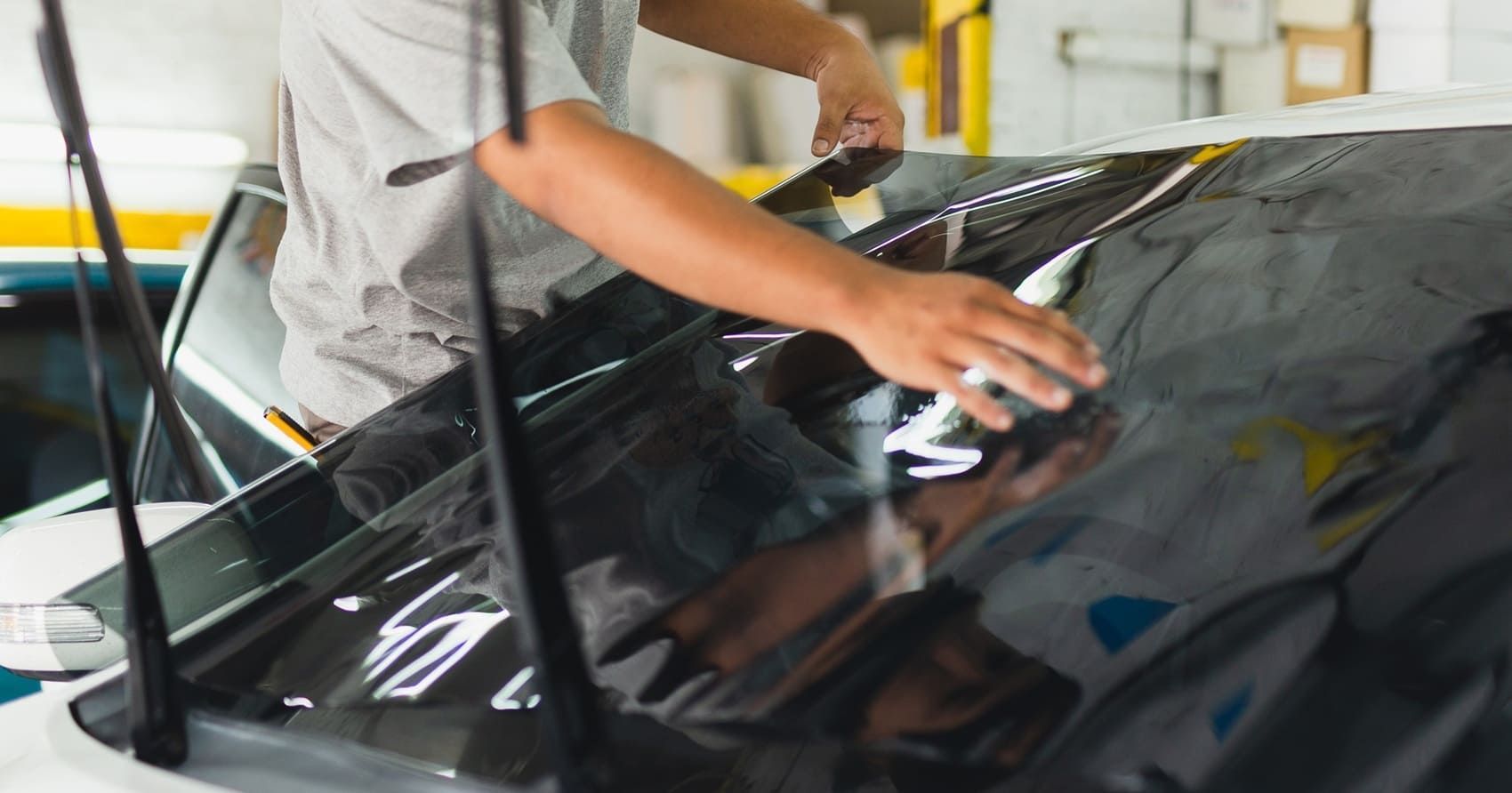
Windshield tint is one of the most misunderstood automotive upgrades because the windshield is regulated differently than side windows, and because “clear” does not automatically mean “legal” or “safe.” In St. Augustine, FL and surrounding areas, drivers want relief from harsh sun, headlight glare, and the constant heat load that bakes dashboards and steering wheels. Those goals are valid, but they must be balanced with visibility and Florida tint compliance. The windshield is your primary viewing glass in rain, at night, and in complex traffic situations, so legal requirements exist to protect safety first. The good news is that modern high clarity
ceramic films can deliver advanced infrared heat rejection and strong UV protection while keeping the glass looking light and crisp. When you choose a compliant windshield option and pair it with
professional installation, you can reduce glare and heat without compromising your ability to see clearly. This guide explains safe windshield tint options and what Florida drivers should know before making a decision.

Table of Contents
1. How windshield tint works and why it differs
2. Florida windshield tint laws and VLT requirements
3. Legal tint strip options and placement rules
4. Dyed vs metallic vs ceramic windshield films
5. Ceramic heat rejection without darkening the glass
6. Safety and visibility for day and night driving
1. How windshield tint works and how it differs from side window tint
Automotive window film is a thin, engineered laminate installed on the inside surface of automotive glass. Depending on the film type, it can reduce glare, block ultraviolet radiation, and reject heat by filtering or reflecting specific wavelengths. For Florida drivers, heat control is often the top concern, but it helps to understand what “heat” means. A large portion of cabin heat comes from infrared energy. A film that can reject infrared effectively may keep the cabin more comfortable even if the film looks relatively light.
The windshield is not just another window. It is the glass you depend on for long range visibility, contrast, and depth perception. It is also curved and angled, which changes how light reflects and how film behaves optically. Because of this, windshield tint must prioritize optical clarity, low haze, and low reflectivity. A product that looks fine on a side window can be distracting on the windshield if it introduces shimmer, distortion, or internal reflections.
Side
window tint in Florida is often discussed in terms of VLT, or visible light transmission. Windshield tint, by contrast, is heavily governed by where film is installed. The most common legal windshield approach is a top strip above the AS-1 line. That strip helps with high angle sun and glare while keeping the main viewing area clear. This is why the phrase “safe windshield tint options” usually means “high clarity film installed in the legal zone,” not “make the windshield darker.”
For drivers searching St Augustine FL window tint services, start with your real driving conditions. Do you face intense sunrise glare on A1A, harsh afternoon sun on US-1, or reflections off wet roads after a storm? The right windshield solution should target those problems while staying firmly inside Florida tint compliance rules.
2. Florida windshield tint laws and visible light transmission rules
If you are researching
legal windshield tint Florida requirements, the key is to separate what is allowed on the windshield from what is allowed on side windows.
Florida law treats the windshield differently because visibility is a public safety issue. The practical rules below are the ones that matter most for compliant decisions.
Florida windshield tint rules (practical summary)
- Where tint is allowed: Only above the manufacturer marked AS-1 line.
- Below the AS-1 line: Film is not permitted in the main viewing area, except for legally required decals.
- VLT for the top strip area: The film used above the AS-1 line should allow more than 70 percent of visible light in.
- Reflectivity: Reflective or mirror like films are not permitted on the windshield, including the top strip.
- Medical exemptions: Florida offers a medical exemption process for qualifying conditions. Keep the exemption certificate in the vehicle.
These points also explain why “clear windshield tint” can be confusing. A film can appear light yet still reduce VLT or create reflectivity. For Florida drivers who want heat reduction, the safest strategy is to treat the windshield as a compliance first glass and maximize performance on the other windows, while using a legal windshield strip designed for glare reduction and clarity.
| Area | Florida rule | What it means for your choices |
|---|---|---|
| Windshield above AS-1 | Tint allowed, must be high VLT | Choose a compliant top strip with clarity focus |
| Windshield below AS-1 | Not permitted without exemption | Avoid full windshield film unless you have approved paperwork |
| Reflective films | Not allowed on windshield | Prioritize low reflectivity ceramic style films |
3. Legal tint strip options and placement rules in Florida
The most common compliant windshield tint solution is a visor strip installed above the AS-1 line. Done correctly, it reduces glare from high angle sunlight and can make driving more comfortable without impacting the main field of view. In St. Augustine, this is helpful year round because the sun angle changes, and coastal brightness can be intense even when temperatures are mild.
Common safe windshield tint options that can stay compliant:
- Standard top strip: A uniform strip with a compliant VLT designed to reduce glare.
- Gradient top strip: Darker at the top and gradually lighter toward the AS-1 line, designed to reduce the “hard edge” effect.
- High clarity UV focused strip: A very light film aimed at UV control with minimal impact on visible light.
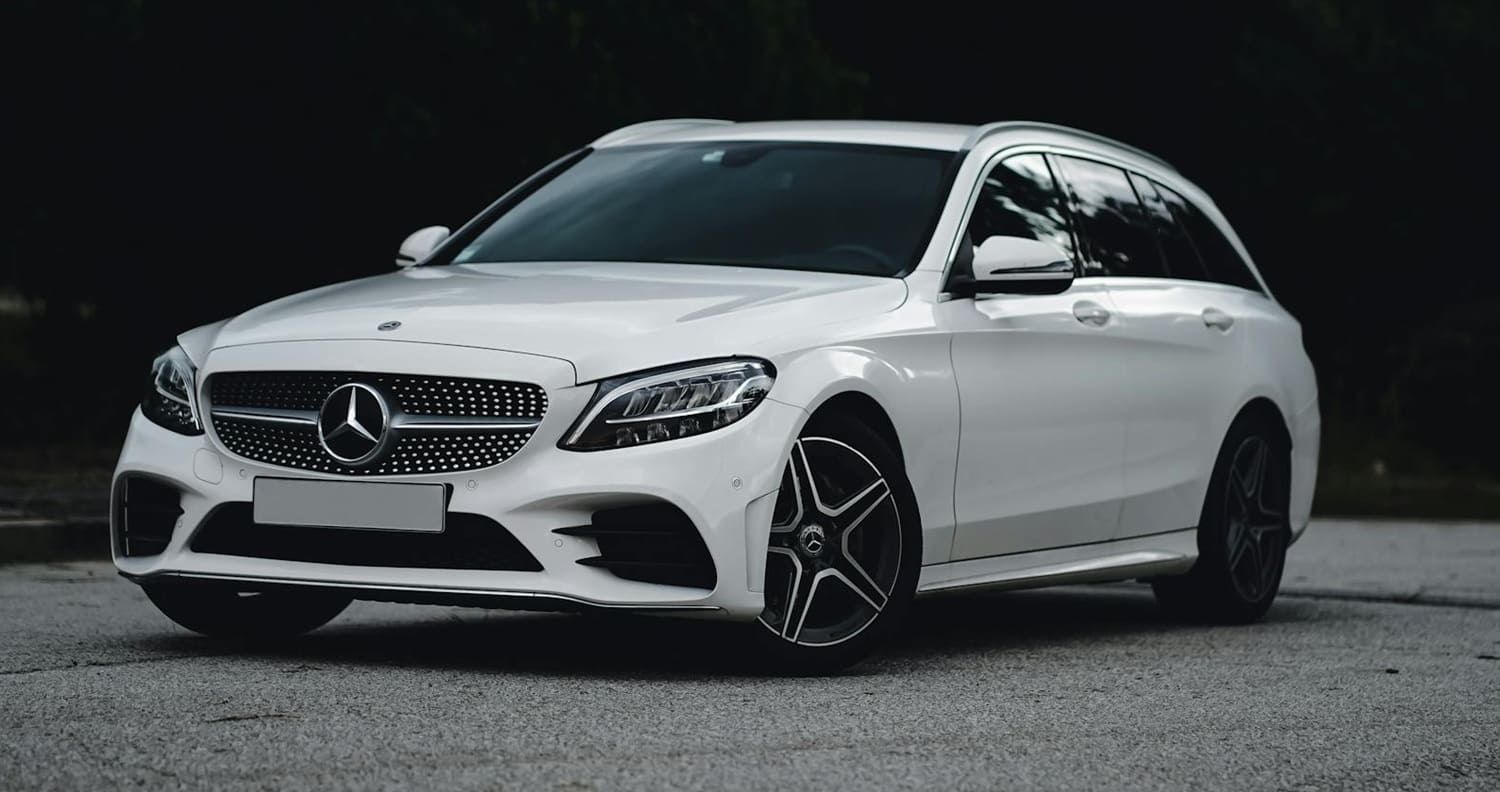
Placement matters as much as film choice. A strip that dips below the AS-1 line can create a compliance risk and may also obstruct traffic signals or signs at certain angles. A strip that is cut unevenly can pull attention and create a distracting horizon line when you scan the road. This is where professional technique is not just cosmetic, it is a safety factor.
Drivers often ask about adding a clear
ceramic film to the full windshield for heat rejection. Under typical Florida rules, film below the AS-1 line is not allowed unless you have an approved medical exemption. If your goal is comfort without risk, focus on a legal windshield strip plus premium side window film.

4. Differences between dyed, metallic, and ceramic windshield films
To choose the best safe windshield tint options , it helps to understand how the film family affects performance. Many shoppers compare tint by darkness alone, but performance is better judged by optical clarity, UV protection, and infrared rejection.
Dyed films primarily absorb light and can reduce glare. They are often cost effective and can look good, but they may not deliver the strongest infrared heat control. Some dyed films can also fade over time in harsh sun conditions.
Metallic films use thin metal layers that reflect heat. They can provide solid heat rejection, but reflectivity and signal interference can be concerns depending on the exact product. On a windshield strip, added reflectivity can create distracting artifacts in certain lighting.
Ceramic films use nano ceramic particles to reject infrared energy while maintaining high clarity. This is why ceramic is a leading choice for drivers who want comfort gains without making the glass look dark. Ceramic is also often selected for its low reflectivity appearance and its ability to support modern vehicle electronics more smoothly than traditional metallic constructions.
| Film Type | Glare Control | Infrared Heat Rejection | Optical Clarity Focus | Typical Best Use |
|---|---|---|---|---|
| Dyed Film | Good | Low to Moderate | Varies by quality | Budget-friendly glare reduction |
| Metallic Film | Good | Moderate to High | Can appear reflective | Strong heat reduction on side windows |
| Ceramic Film | Excellent | High | Engineered for low haze and high visibility | Premium comfort and clarity for windshields |
For drivers asking specifically about
LLumar FormulaOne windshield tint , the value proposition is premium performance paired with optical quality. ALL ABOUT TINT installs LLumar FormulaOne Auto Window Tinting products engineered for superior infrared heat rejection, UV protection, and optical clarity while meeting Florida legal standards. That combination matters when the goal is to stay compliant and comfortable in real Florida driving.
5. How ceramic technology improves heat rejection without darkening
Many Florida drivers want a cooler cabin but do not want the windshield to look dark or reduce nighttime visibility. Ceramic film technology helps because it targets infrared energy more aggressively than older film types, while keeping visible light transmission high when you choose a high clarity option. In practice, that can mean less seat and dash heat, less “hot face” sensation during midday sun, and less strain from bright conditions.
When people hear “ceramic,” they sometimes assume it is just marketing. In reality, nano ceramic particles are designed to interact with solar energy in ways that support heat rejection with minimal visible change. That is why a high clarity ceramic strip can be both comfortable and subtle. It also supports a more OEM like look, which many St. Augustine drivers prefer.
Helpful metrics to compare when shopping films:
- VLT: How much visible light passes through. Higher VLT supports visibility.
- UV protection: Quality films can block up to 99 percent of UV.
- Infrared rejection: Often the biggest comfort driver in Florida heat.
- Haze and reflectivity: Lower values generally support safer windshield viewing.
| Goal | What to prioritize | Why it matters in Florida |
|---|---|---|
| Heat control | Higher infrared rejection | Reduces cabin heat load and AC demand |
| UV protection | High UV block | Helps protect skin and interior materials |
| Glare reduction | Legal strip placement plus quality film | Less squinting and eye fatigue on bright roads |
| Compliance and safety | High VLT, low reflectivity | Preserves visibility and supports Florida tint compliance |
In a consultation, a reputable shop will discuss both the film’s performance and the legal installation limits. That is especially important if you are trying to optimize comfort while staying fully within Florida rules.
6. Safety considerations for daytime and night driving visibility
Windshield tint decisions should be made with safety in mind, not just aesthetics. Florida weather adds extra visibility challenges. Sudden rain can reduce contrast. Low sun angles can create blinding glare. Night driving on wet pavement can amplify headlight reflection. In those moments, windshield clarity is essential.
Daytime visibility: A legal top strip can improve comfort by reducing high angle glare. The wrong strip, however, can obstruct your view of overhead signals or signs if it is placed too low. Keeping the film strictly above the AS-1 line is a strong baseline practice for both compliance and visibility.
Nighttime visibility: Night driving is where poor film quality shows up quickly. Added haze can create headlight bloom. Higher reflectivity can create ghost images or interior reflections. This is why high clarity ceramic films, paired with clean installation, are preferred when you want the benefits without the drawbacks.
Driving with modern safety systems: Many vehicles have ADAS cameras near the rearview mirror area. Windshield strip work must be planned carefully so the film does not interfere with camera housings or sensor fields. A professional installer can shape the film to respect those areas and preserve proper function.
Quick safety checklist before choosing windshield tint:
- Stay within legal placement above the AS-1 line.
- Avoid reflective films on the windshield.
- Prioritize clarity and low haze over darkness.
- Discuss ADAS camera locations with your installer.
7. Why professional installation ensures clarity, compliance, and long term results
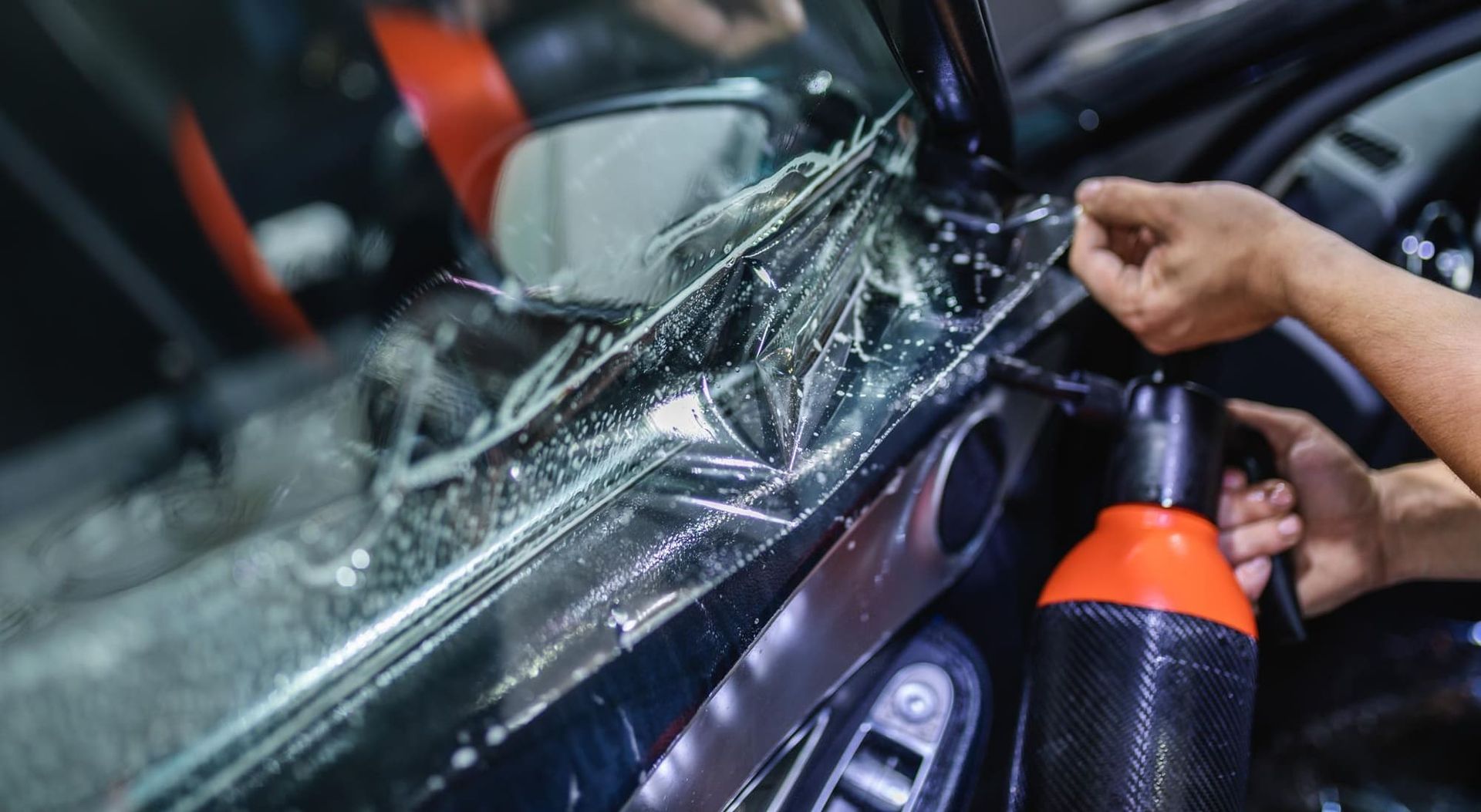
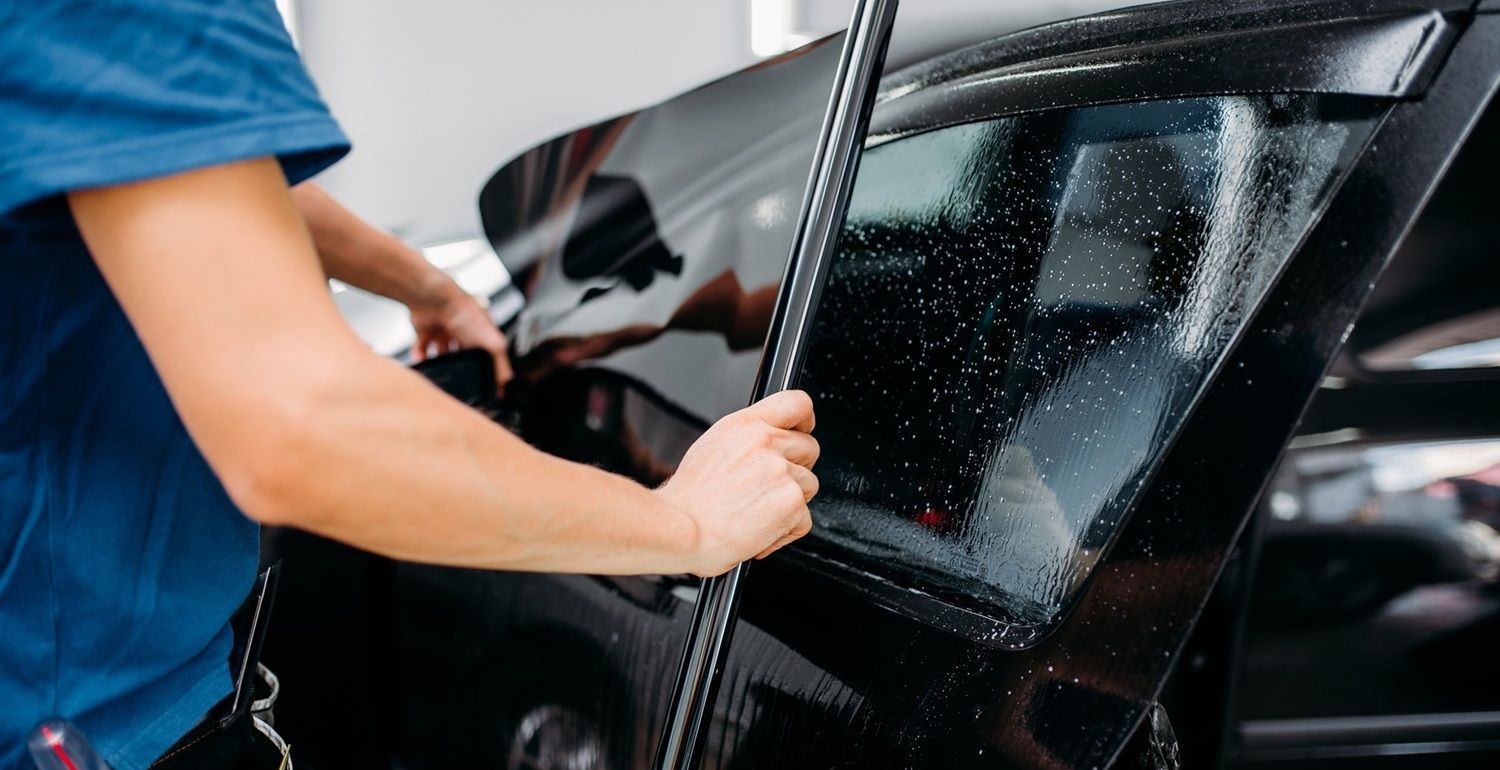
Even when tint is limited to a visor strip, windshield installation is one of the more technical film applications. The curvature of the glass, the size of the film piece, and the need for a clean, straight edge make it a task where experience matters. A professional install reduces the risk of contamination, uneven cuts, and visual distortion that can pull your attention away from the road.
How professional installation supports Florida tint compliance:
- Correct measurement: A trained installer identifies the AS-1 line and keeps the strip fully above it.
- Appropriate film selection: The shop can recommend compliant VLT options and avoid reflective products.
- Clean finish: Fewer bubbles, less debris, and better adhesion preserves visibility.
- Long term durability: Proper prep and film handling reduces premature peeling or edge lift.
For local drivers, the goal is simple: a cooler, safer, more comfortable vehicle without unwanted attention or compliance risk.
ALL ABOUT TINT helps St. Augustine area drivers choose legal, safe solutions and installs LLumar FormulaOne Window Tint products designed for performance and optical clarity.
FAQ: Safe windshield tint options in Florida
Is full windshield tint legal in Florida?
In most cases, tint on the main portion of the windshield below the AS-1 line is not permitted in Florida. Florida allows tint only above the AS-1 line, and the film there should allow more than 70 percent visible light through. Medical exemptions may allow additional tint if you have approved documentation.
What is the AS-1 line and how do I find it?
The AS-1 line is a manufacturer marking near the top of many windshields. It indicates the maximum area where a sun strip can be installed. A professional installer can confirm it and align the cut precisely.
How does clear ceramic tint work for heat control?
High clarity ceramic films can reject infrared energy and block UV while allowing a high percentage of visible light through. That means improved comfort and protection without a dark appearance.
Will windshield tint affect night driving visibility?
A legal strip should not affect the main field of view when it is properly placed. Film quality and reflectivity matter. A low haze, low reflectivity ceramic strip is generally preferred for minimizing headlight artifacts.
Can a windshield strip help with glare in St. Augustine?
Yes. A compliant visor strip can reduce high angle glare during sunrise and sunset and can improve comfort during bright coastal driving.
Is LLumar FormulaOne windshield tint a good choice?
Many drivers choose LLumar FormulaOne because it is built for premium heat rejection, UV protection, and optical clarity. ALL ABOUT TINT installs LLumar FormulaOne Auto Window Tinting products with a compliance focused approach for Florida drivers.
Will tint interfere with ADAS cameras or lane assist systems?
It can if the film is installed over sensor areas. Professional installers plan film patterns to avoid camera housings and preserve system performance. Always mention ADAS features during your consultation.
Does windshield tint affect GPS, Bluetooth, or cell signal?
Some metallic films can contribute to signal issues depending on construction. Ceramic films are often chosen to reduce that risk while still providing strong performance.
How can I stay compliant during traffic stops or inspections?
Ensure the film is only above the AS-1 line and avoid reflective materials. If you have a medical exemption, keep the certificate in the vehicle. Working with a knowledgeable local shop is one of the easiest ways to stay on track.
What warranty coverage should I expect?
Warranty terms vary by product line and installation. Ask ALL ABOUT TINT for the warranty details associated with your LLumar FormulaOne Window Tint selection, including coverage and care guidance.
Conclusion and next steps
Choosing windshield tint in Florida is about balancing comfort and protection with visibility and compliance. The most reliable path for Florida tint compliance is a legal visor strip above the AS-1 line paired with a high clarity film that avoids reflectivity. For drivers who want the best comfort gains without darkening the glass, ceramic technology is often the top option because it can reject infrared heat and block UV while maintaining a clean, light appearance.
If you want personalized guidance on safe windshield tint options ,
contact ALL ABOUT TINT in
St. Augustine, FL. We install LLumar FormulaOne Window Tint products engineered for superior infrared heat rejection, UV protection, and optical clarity while meeting Florida legal standards. Reach out today for expert recommendations and a
free estimate on windshield tint solutions that prioritize safety, comfort, and compliance.