
Can Window Tint Protect Leather Seats in Florida Heat? A St. Augustine Driver's Guide

All About Tint Blogger • October 1, 2026

Yes, window tint can protect leather seats in Florida heat, as long as you choose the right film. Quality automotive tint blocks up to 99% of UV rays, which are the main cause of fading and finish breakdown. A ceramic film also rejects much of the infrared heat that dries out leather and leads to cracking. Tint won't make leather indestructible, but it removes the two biggest threats your seats face every time you park in the Florida sun.


If you drive around St. Augustine, Ponte Vedra Beach, Nocatee, or anywhere in St. Johns County, you know the feeling. You open the door after a few hours in a beach lot and the seats are too hot to touch. After a few summers, that daily bake shows up as faded color on the side bolsters, a stiff, dry feel, and eventually fine cracks near the seams.


This guide covers how Florida sun damages leather, how window tint slows that damage, and which films work best. It also covers how dark you can legally go in Florida and how to build a simple protection plan for your vehicle. It was written by the team at All About Tint, a locally owned LLumar SelectPro dealer that has tinted vehicles across Northeast Florida since 1989.

can window tint protect leather seats

How Does Florida Sun Damage Leather Car Seats?

Leather stays soft and durable because of three things: natural oils, moisture, and a protective topcoat. Florida sun attacks all three. Sunlight is made up of visible light, infrared heat, and a smaller but highly damaging slice of ultraviolet radiation, and each one harms leather in a different way.

UV Rays Break Down Color and Protective Finishes

Ultraviolet radiation is the main cause of fading. It breaks down the dyes in leather and the clear topcoat that shields the surface. Most windshields are laminated glass that filters out most UV. Side and rear windows are usually tempered glass, which lets more UVA through. That's why fading usually shows up first on the driver's side bolster, the tops of the rear seats, and the headrests closest to the glass.

Infrared Heat Dries Out Natural Oils

Infrared energy is the heat you feel on your skin. On a summer afternoon in Northeast Florida, a closed car can climb well past 130°F inside, and dark surfaces in direct sun get hotter still. That heat pulls moisture and natural oils out of the leather. Dry leather loses flexibility, and stiff leather is the kind that creases, splits, and cracks.

Heat Cycling Stresses Seams and Stitching

Florida vehicles go through big temperature swings every day. They bake in a parking lot, then get blasted with cold air the moment the engine starts. Leather expands and contracts with each swing. Over the years, that repeated stress shows up as cracks along creases, at seams, and wherever your body flexes the material as you get in and out.


Coastal driving adds one more factor. Sunlight reflecting off sand, water, and light pavement increases the total light entering your cabin. That's one reason vehicles in beach towns like St. Augustine Beach and Butler Beach often show interior wear sooner than cars kept in garages inland.

How Does Window Tint Protect Leather Seats?

Window film works like a filter bonded to the inside of your glass. It addresses each type of damage described above:


  • UV blocking: Quality automotive films, including every series in the LLumar FormulaOne line, block 99% of UV rays. This dramatically slows fading, discoloration, and topcoat breakdown.
  • Heat rejection: Films reject a percentage of total solar energy, which lowers how hot your seats get while parked. Less heat means less oil and moisture loss from the leather.
  • Glare reduction: Tint cuts harsh light, which makes driving more comfortable and reduces the concentrated sun hitting the same spots on your seats every day.
  • Smaller temperature swings: A cooler parked cabin means less extreme heat cycling when you start the car and turn on the AC.


Here's the point many drivers miss. Nearly all quality films block UV at about the same level, but heat rejection varies a lot from one film type to another. If fading is your only concern, almost any quality tint will help. If you want to prevent drying and cracking in Florida heat, heat rejection is what separates good protection from great protection.

Which Type of Window Tint Is Best for Protecting Leather Seats?

For leather protection in Florida, ceramic window tint is the best choice. It pairs 99% UV blocking with the highest infrared heat rejection, and it does so without making your windows darker than the law allows. Here's how the four LLumar FormulaOne series installed at All About Tint compare:

Film Series Construction Total Solar Energy Rejected UV Blocked Signal-Friendly Leather Protection Rating
FormulaOne Pinnacle Premium ceramic Up to 66% 99% Yes Best overall for heat and UV
FormulaOne Stratos Nano-ceramic, non-metallic Up to 63% 99% Yes Excellent, near-top heat rejection
FormulaOne Comfort Metallized, reflective High (reflects heat) 99% May affect some signals Very good, strong glare control
FormulaOne Classic Dyed Up to 45% 99% Yes Good for fading, less help with heat

Pinnacle Series is the top choice for luxury vehicles, light-colored leather such as tan, cream, or white that shows fading quickly, and perforated or ventilated seats that are more prone to drying.


Stratos Series is the sweet spot for many St. Augustine drivers. Its heat rejection comes close to Pinnacle's, it has a deep non-reflective look, and it causes no interference with GPS, phones, or Bluetooth.


Comfort Series suits drivers who like a reflective finish and want maximum glare control.


Classic Series is a budget-friendly way to stop UV fading. Your seats will still get hotter than they would under ceramic film.

Does Darker Window Tint Protect Leather Better?

Not necessarily. How dark a film looks is measured by visible light transmission (VLT), and VLT is not the same as heat rejection. A dark dyed film can look like it's doing more while actually rejecting less heat than a lighter ceramic film. Since quality films block about 99% of UV at any shade, a lighter ceramic tint can protect leather as well as or better than a dark budget film.


That matters in Florida, where darkness is limited by law:

Window Sedans SUVs, Trucks & Vans
Windshield Non-reflective tint above the AS-1 line only Non-reflective tint above the AS-1 line only
Front side windows Must allow more than 28% of light in Must allow more than 28% of light in
Back side windows Must allow more than 15% of light in Must allow more than 6% of light in
Rear window Must allow more than 15% of light in Must allow more than 6% of light in

Florida also limits reflectivity to 25% on front side windows and 35% on back side windows, and colored tints aren't permitted. Medical exemptions are available in some cases. A professional installer will keep your vehicle compliant while getting you the most heat rejection the law allows.

best window tint for Florida heat

Which Windows Matter Most for Leather Seat Protection?

Every window lets in sun, but some do more damage to your leather than others.


Front side windows sit right next to your most-used leather: the driver and passenger bolsters and armrests. These areas already take the most wear from getting in and out, so sun damage speeds up cracking here.


Rear side windows and the rear window bake the back seat and headrests, especially in sedans with sloped rear glass. If you park facing away from the afternoon sun, your rear bench takes the full hit.


The windshield and sunroof are often overlooked. The windshield filters most UV but still lets in a lot of heat, which warms your dash and the tops of the front seats. A legal sun strip above the AS-1 line helps. Sunroofs and panoramic roofs pour sun directly onto headrests and upper seatbacks, so ask your installer about tinting those as well.

How to Protect Leather Seats With Window Tint: A Step-by-Step Plan

1. Assess Your Leather and Parking Habits

Start with a quick look at your seats. Is there any fading, dryness, or early creasing? Then think about where your car sits most of the day. A vehicle parked outside at the beach, a job site, or an uncovered office lot needs stronger heat rejection than one that lives in a garage.

2. Choose a Ceramic Film for Heat Rejection

For year-round Florida sun, prioritize total solar energy rejected, not just darkness. Pinnacle or Stratos gives your leather the strongest defense against both fading and drying.

3. Tint Every Legal Window, Not Just the Rear

Partial tint leaves partial protection. Covering front side windows, rear side windows, the rear window, and a windshield sun strip makes sure no seat surface is left exposed.

4. Follow Curing and Care Instructions

Film needs time to cure, anywhere from a few days to a couple of weeks in Florida humidity. Wait at least two to four days before rolling your windows down. Clean the film only with a soft microfiber cloth and an ammonia-free cleaner.

5. Pair Tint With Basic Leather Care

Tint handles the sun, and conditioning handles the rest. Clean and condition your leather every few months, and use a windshield sunshade on the hottest days. Together, these habits can keep your seats soft and supple for years.

Why St. Augustine Drivers Trust All About Tint for Interior Protection

All About Tint isn't a national chain. It's a locally owned shop that has served St. Augustine since 1989, so the team knows exactly what coastal Florida sun does to a vehicle's interior. As a LLumar SelectPro dealer, the shop offers the exclusive FormulaOne film line, which only SelectPro dealers can install. Every FormulaOne series comes with lifetime warranty coverage, and All About Tint supports its customers directly if a warranty question ever comes up.


The shop is fully licensed and insured and holds a 5-star reputation across major review platforms. It serves drivers throughout St. Johns, Duval, Flagler, Clay, and Putnam Counties, from Ponte Vedra Beach and Nocatee to Jacksonville, Palm Coast, Orange Park, and Palatka. Most vehicles are finished in about two to four hours, and the free consultation includes help choosing the right film for your leather, your budget, and Florida law.

Frequently Asked Questions

  • Can window tint stop leather seats from cracking?

    Window tint greatly slows cracking but can't prevent it entirely. Ceramic tint reduces the heat that dries out leather's natural oils, and it blocks the UV that weakens the topcoat. Combined with regular conditioning, it's one of the most effective ways to prevent cracks in Florida.

  • Does window tint make leather seats less hot to touch?

    Yes. Films that reject more total solar energy keep seat surfaces noticeably cooler after parking in the sun. Ceramic films like FormulaOne Pinnacle, which rejects up to 66% of total solar energy, make the biggest difference.

  • Is 99% UV protection enough to prevent fading?

    Blocking 99% of UV removes the main cause of fading, so leather keeps its color far longer. Visible light and heat still contribute slightly over time, which is why a high-heat-rejection film offers the most complete protection.

  • Is ceramic tint worth it just to protect leather?

    For most Florida drivers, yes. Replacing or reupholstering leather seats typically costs far more than upgrading to ceramic film. On top of protecting the leather, ceramic tint keeps your cabin cooler, eases the load on your AC, and won't interfere with electronics.

  • How long does window tint protect a car's interior?

    A professionally installed premium film protects your interior for as long as it stays on the glass. FormulaOne films come with lifetime warranty coverage against defects such as bubbling, peeling, and fading, based on the warranty terms for your film.

  • Can window film protect leather furniture at home or on my boat?

    Yes. The same UV and heat protection applies to leather sofas near sunny windows and to marine upholstery. All About Tint installs LLumar Vista residential films and marine-grade window tint for boats and yachts.

Protect Your Leather Before Another Florida Summer Takes Its Toll

Florida sun is relentless, and leather seats pay the price through UV fading, heat-driven drying, and daily temperature swings. The right window tint stops 99% of UV and, with ceramic film, rejects much of the heat behind cracking. That keeps your interior looking newer and protects your vehicle's resale value. The most important choice is the film itself: heat rejection matters more than darkness, and ceramic outperforms dyed film in Florida conditions.


If you're ready to protect your leather seats, All About Tint can help you choose the right FormulaOne film and install it the same day in most cases. Call (904) 806-5996, visit the shop at 3175 US-1 #1, St. Augustine, FL 32086, or request a free quote online. Your seats and your summer drives will both be more comfortable for it.

Share this article

Recent Posts

SUV with tinted windows
By All About Tint Blogger • September 14, 2026
Best window tint for Florida SUVs and trucks. Compare ceramic film, legal tint limits, heat rejection, and FormulaOne options in St. Augustine.
ceramic tint heat rejection Florida
By All About Tint Blogger • August 13, 2026
Discover how much heat ceramic window tint blocks in Florida, how it compares with dyed and carbon film, and which FormulaOne ceramic series offers the best cooling for St. Augustine drivers
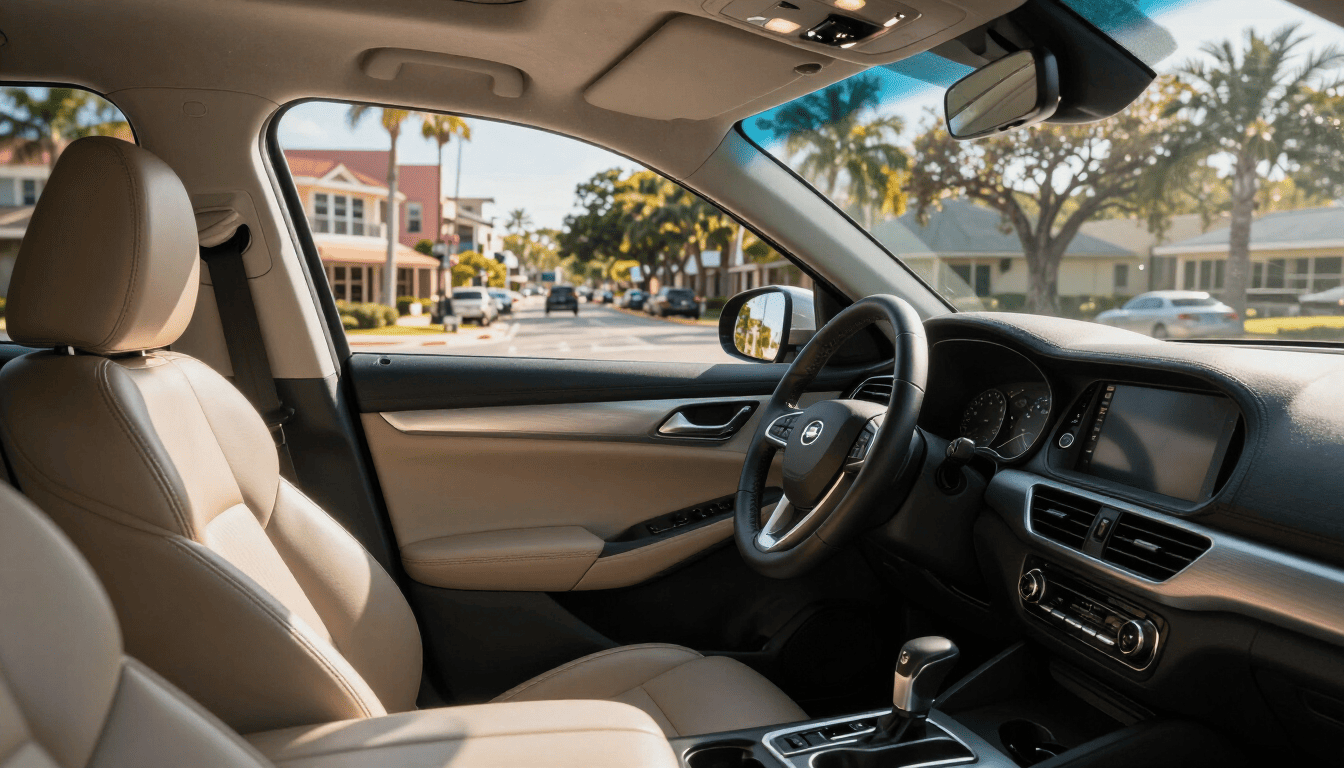
is ceramic tint worth it
By All About Tint Blogger • July 2, 2026
Learn if ceramic window tint is worth it for St. Augustine drivers. Compare FormulaOne Stratos, Pinnacle, Comfort, and Classic films for heat, UV protection, glare, and value.
tint glare reduction
By All About Tint Blogger • April 21, 2026
Florida highway drivers: learn the best tint percentage (20–35%) for heat, glare, visibility, and legal compliance, plus why ceramic film matters most.
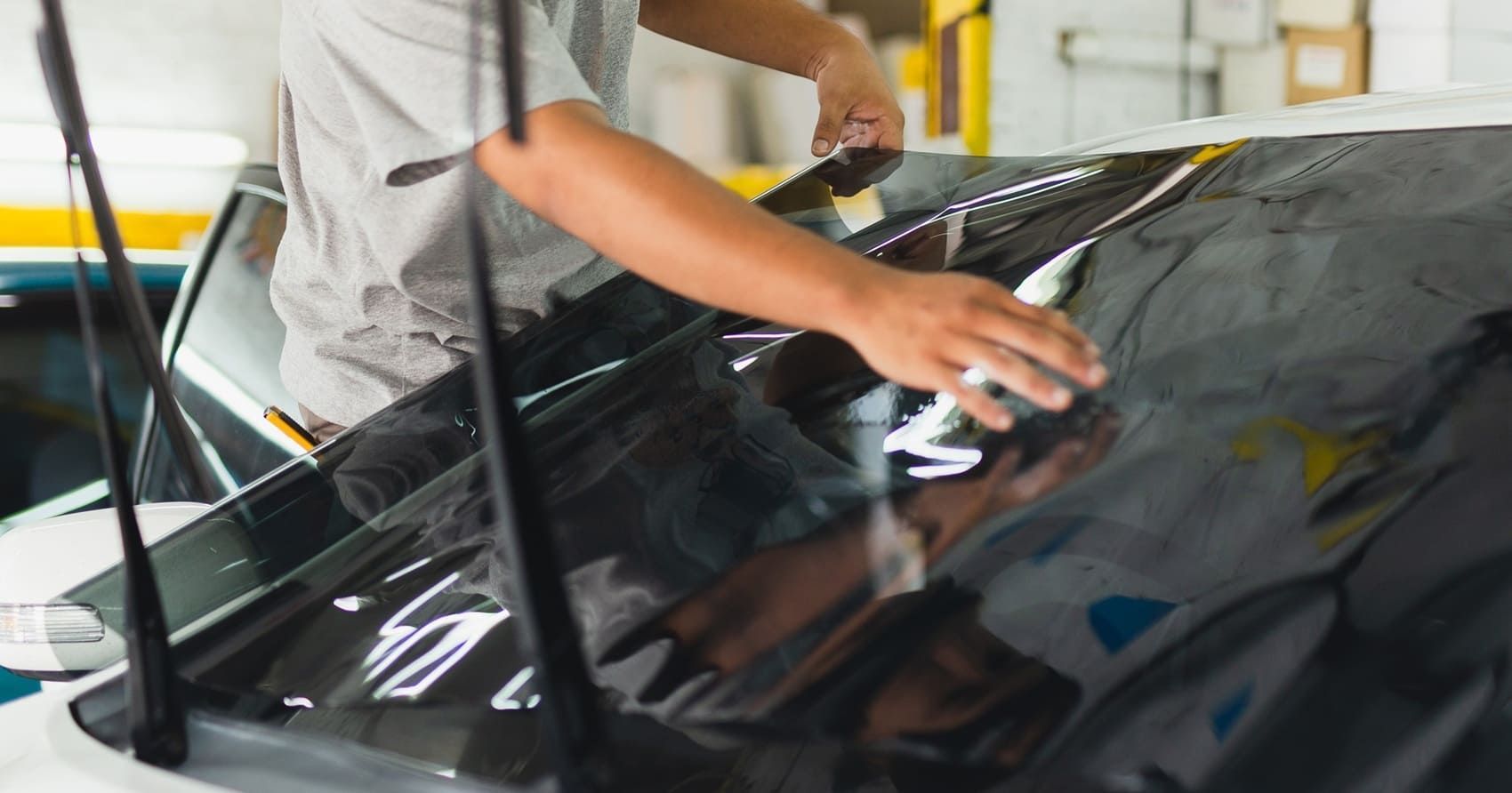
windshield tint options
By All About Tint Blogger • March 2, 2026
Florida guide to legal windshield tint, VLT limits, and how All About Tint installs LLumar FormulaOne in St. Augustine for heat and UV protectio
best window tint for cars 2026
By All About Tint Blogger • January 14, 2026
Discover the best car window tint films for 2026. Compare ceramic, nano ceramic, heat rejection, UV protection, Florida laws, and LLumar performance.
Florida home window tint laws 2026
By All About Tint Blogger • December 1, 2025
Stay compliant with Florida’s 2026 home window tint laws. Learn legal VLT limits, color rules, benefits & expert installation from ALL ABOUT TINT in St. Augustine.
best window tint for heat reduction
By All About Tint Blogger • October 17, 2025
Discover the key differences between carbon and ceramic window tints. Learn which performs best for heat rejection, UV protection, and comfort in hot climates.
advantages of ceramic window tinting
By All About Tint Blogger • September 26, 2025
Discover if ceramic window tint is worth the investment. Explore its benefits over carbon tints, including superior UV protection, heat rejection, and no signal interference.
does window tint increase home value
By All About Tint Blogger • September 8, 2025
Boost your home's value with tinted windows! Discover their benefits like increased privacy, energy efficiency, and modern appeal with LLumar films.

Show More
