

Florida Home Window Tint Laws 2026: Safe, Legal, Smart

All About Tint Blogger • December 1, 2025

Florida’s famous sunshine brings beauty and warmth but also intense heat, glare, and damaging UV rays that can threaten comfort and property values in St. Augustine. Home window tinting is increasingly popular as a solution—but in 2026, new and updated regulations make it more important than ever for homeowners to understand what’s legal and what’s not. Florida home window tint laws are there for good reason: they protect neighborhood safety, ensure adequate visibility for emergency responders, and help maintain the attractive appearance of your community. Being informed about tint regulations is key to avoiding costly violations, protecting your investment, and selecting a tint that delivers both comfort and energy efficiency. In this comprehensive guide, you’ll learn exactly how to stay safe, legal, and smart when upgrading your Florida home’s windows with professional, code-compliant tint from ALL ABOUT TINT in St. Augustine.

Florida home window tint laws 2026

Table of Contents

  • 1. 2026 Florida Regulations for Residential Window Tint
  • 2. Reflectivity Limits for Homes in Florida
  • 3. Tint Color Rules and Prohibited Film Types
  • 4. Residential vs. Automotive Tint Law Differences
  • 5. Legal and Energy Efficient Tint Benefits
  • 6. Comfort, Glare, and Savings with 2026 Compliant Tint
  • 7. Choosing a Professional Installer for Legal Tint
  • 8. Frequently Asked Questions (FAQ)
  • 9. Conclusion: Key Rules & Next Steps for Homeowners

1. 2026 Florida Regulations for Residential Window Tint

The new 2026 regulations for home window tint in Florida are designed to ensure that while you benefit from lower heat and UV transmission, your home remains safe and visible from the outside. Key requirements include:

  • Visible light transmission (VLT) for residential window tint typically must be above 25 percent, meaning the film lets in at least 25 percent of visible light.
  • All films must be labeled and certified according to Florida Building Code 2026 edition and include a manufacturer’s VLT rating.
  • Special use tint (such as for privacy or security) must still meet minimum VLT and reflectivity standards to avoid “mirror house” effects.

Film Category Legal VLT Range Purpose/Examples
Standard Solar 30-70% Heat/UV reduction, clear visibility
Privacy 25-40% Bathroom, bedroom, office
Security 30-60% Glass break, intrusion resistance

Always request certified films and written documentation from your installer to remain compliant and eligible for warranty and energy savings programs.

2. Reflectivity Limits for Homes in Florida

Highly reflective tints can pose risks to drivers, neighbors, and even disrupt community aesthetics. Florida’s 2026 code sets strict reflectivity limits for all residential window film:

  • Reflectance must not exceed 20 percent for any exterior-facing windows of a home.
  • Silvered, mirrored, or metallic films with high daytime reflectivity are generally not allowed.
  • Neighborhood and HOA rules may be stricter than state code—always check before installing highly reflective films.

3. Tint Color Rules and Prohibited Film Types

Florida home window tint regulations also restrict the colors and types of films allowed on residential windows:

  • No red, orange, or blue tints are permitted on exterior windows due to safety and appearance concerns.
  • Films that create a mirrored or two-way effect are generally banned.
  • Most standard gray, bronze, and neutral charcoal shades are compliant, as long as VLT and reflectivity meet legal minimums.

Legal Tint Colors Prohibited Tint Colors
Gray, bronze, charcoal Red, blue, orange, mirrored

4. Residential vs. Automotive Tint Law Differences

Florida law clearly differentiates between what’s allowed on homes and what’s allowed on vehicles. Here’s what homeowners must understand:

  • Residential tints can use wider VLT ranges than automotive tint, but both must meet state reflectivity and color requirements.
  • Home tint is not inspected during vehicle compliance checks, but improperly applied automotive film to homes can result in fines and failed code inspections.
  • Automotive tint law often allows darker films on rear car windows than can be legally used on homes—never install “car” films on residential glass.

Florida window tint law for homes

5. Legal and Energy Efficient Tint Benefits

Choosing a compliant, energy efficient window film for your St. Augustine home brings more than just legal assurance. Benefits include:

  • Blocking up to 99 percent of UV rays, protecting flooring, furniture, and art.
  • Reducing solar heat gain—lower AC use and energy bills by 20 percent or more with premium film.
  • Maintaining safe, clear views from outside, supporting emergency response and attractive curb appeal.
  • Enhancing privacy for bedrooms and ground-floor spaces with legal VLT-rated films.

Tint Type Energy Savings UV Blocking Glare Reduction
Standard Gray 15-20% 99% 70%
Ceramic/Nanotech 20-25% 99% 75%
Reflective Bronze 20% 99% 80%

6. Comfort, Glare, and Savings with 2026 Compliant Tint

When homeowners in St. Augustine upgrade to legal, code-compliant tint, they unlock a host of benefits without risking fines or inspector concerns:

  • Lower indoor temperatures, especially for south- and west-facing rooms.
  • Reduced glare on screens and work surfaces for year-round comfort.
  • Consistent, comfortable daylighting without the harshness of untreated glass.
  • Easier compliance with new energy building codes and utility rebate programs in Florida.

Remember—compliant tint can dramatically improve your home’s livability and energy efficiency while meeting every rule for color, reflectance, and VLT in 2026.

7. Choosing a Professional Installer for Legal Tint

The best way to guarantee safe, legal, and warranty-backed tint installation in St. Augustine is to work with a local expert like ALL ABOUT TINT. Key considerations:

  • Ask for certifications and documentation that all films meet 2026 Florida Building Code requirements for residential use.
  • Verify installer experience with Florida’s climate and specific county/municipality or HOA code requirements.
  • Avoid DIY or bargain films that may lead to violation notices or poor energy performance.
  • Ensure your installer provides a compliance certificate, full warranty, and window labels if required by local inspectors.

8. Frequently Asked Questions (FAQ)

  • Does Florida require permits for home window tinting?

    Permits are usually not required for residential film, but check with your local building department or HOA.

  • How do inspectors verify legal tint?

    Inspectors check film labels, VLT certification, and may perform visual or meter tests.

  • Can I use automotive tint on my home?

    No—film must be certified for residential application.

  • Is darker tint allowed for privacy?

    Privacy tint is approved if it meets minimum VLT/reflectivity and color rules.

  • How does window tint affect hurricane-rated windows?

    Only use films certified as compatible—avoid altering window performance or voiding warranty.

  • What are the benefits of ceramic or nanotech home tint?

    Higher UV/heat blocking and greater durability for Florida’s climate.

  • What are the consequences of violating tint rules?

    You risk fines, code enforcement actions, and problems selling your home.

  • How do I choose the correct VLT for my Florida home?

    Work with a certified installer who knows 2026 rules and can recommend VLT by exposure, room use, and desired privacy.

  • Do window films need to be replaced when codes change?

    Existing films are usually grandfathered—but new installations or major remodels must meet current regulation.

  • What is the best energy efficient tint for Florida homes?

    Ceramic and advanced nanotech films provide the highest heat rejection and meet 2026 code for most households in St. Augustine.

9. Conclusion: Key Rules & Next Steps for Homeowners

Florida’s 2026 home window tint laws balance comfort, safety, and energy performance for every St. Augustine home. By understanding these rules—and partnering with trusted local pros like ALL ABOUT TINT—you can save on bills, boost property value, avoid violations, and enjoy a cooler, more beautiful home. Ready to upgrade? Contact ALL ABOUT TINT in St. Augustine for expert guidance, legal, energy-saving film recommendations, and professional installation certified for Florida’s latest residential code.

best window tint for heat reduction
By All About Tint Blogger October 17, 2025
Discover the key differences between carbon and ceramic window tints. Learn which performs best for heat rejection, UV protection, and comfort in hot climates.

advantages of ceramic window tinting
By All About Tint Blogger September 26, 2025
Discover if ceramic window tint is worth the investment. Explore its benefits over carbon tints, including superior UV protection, heat rejection, and no signal interference.
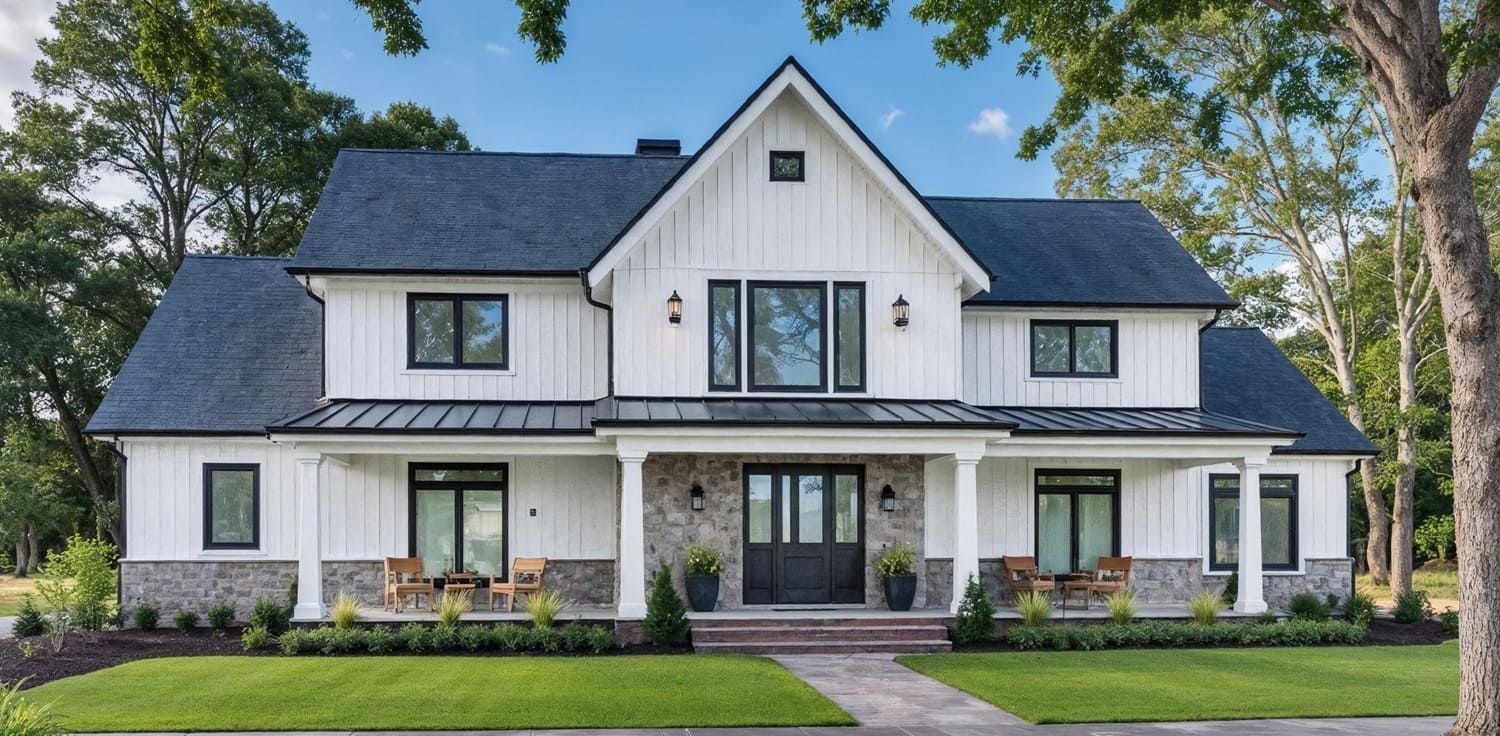
does window tint increase home value
By All About Tint Blogger September 8, 2025
Boost your home's value with tinted windows! Discover their benefits like increased privacy, energy efficiency, and modern appeal with LLumar films.

wait time after window tinting
By All About Tint Blogger August 6, 2025
Learn how soon to roll down windows after tinting to avoid damage. Discover the ideal waiting period and tips for maintaining your car window tint effectively.
premium window tint for luxury cars
By All About Tint Blogger July 15, 2025
Enhance your luxury car's elegance with premium window tinting. Discover the benefits of luxury car window tint, from UV protection to improved privacy and style.
Florida window tint laws
By All About Tint Blogger June 30, 2025
Discover the darkest legal tint in Florida and ensure compliance with state tint laws. Learn about VLT limits, benefits, and penalties for non-compliance.
Florida car window tint laws
By All About Tint Blogger June 12, 2025
Learn how to choose the perfect window tint shade for your car. Discover the benefits, legal tint limits in Florida, and top tips for style, comfort, UV protection, and compliance.
what is ceramic window tint
By All About Tint Blogger May 22, 2025
Discover why ceramic window tint is the new industry standard. Learn how it outperforms dyed and metallic tints with superior heat rejection, UV protection, and signal clarity.
pros and cons of window tinting
By All About Tint Blogger May 7, 2025
Explore the pros and cons of car window tinting, from privacy and UV protection to legal and safety tips. Get expert advice from St. Augustine’s tinting pros.
Car tinting near me
By All About Tint Blogger April 15, 2025
Find the best car window tinting near you. Learn about types, benefits, and how to choose the right tint for comfort, privacy, and protection.
More Posts