What's the Best Window Tint for Florida SUVs and Trucks?
Here's how to think through film choice, legal darkness limits, and cost specifically for larger vehicles in St. Augustine and St. Johns County.

Why SUVs and Trucks Need a Different Approach Than Sedans
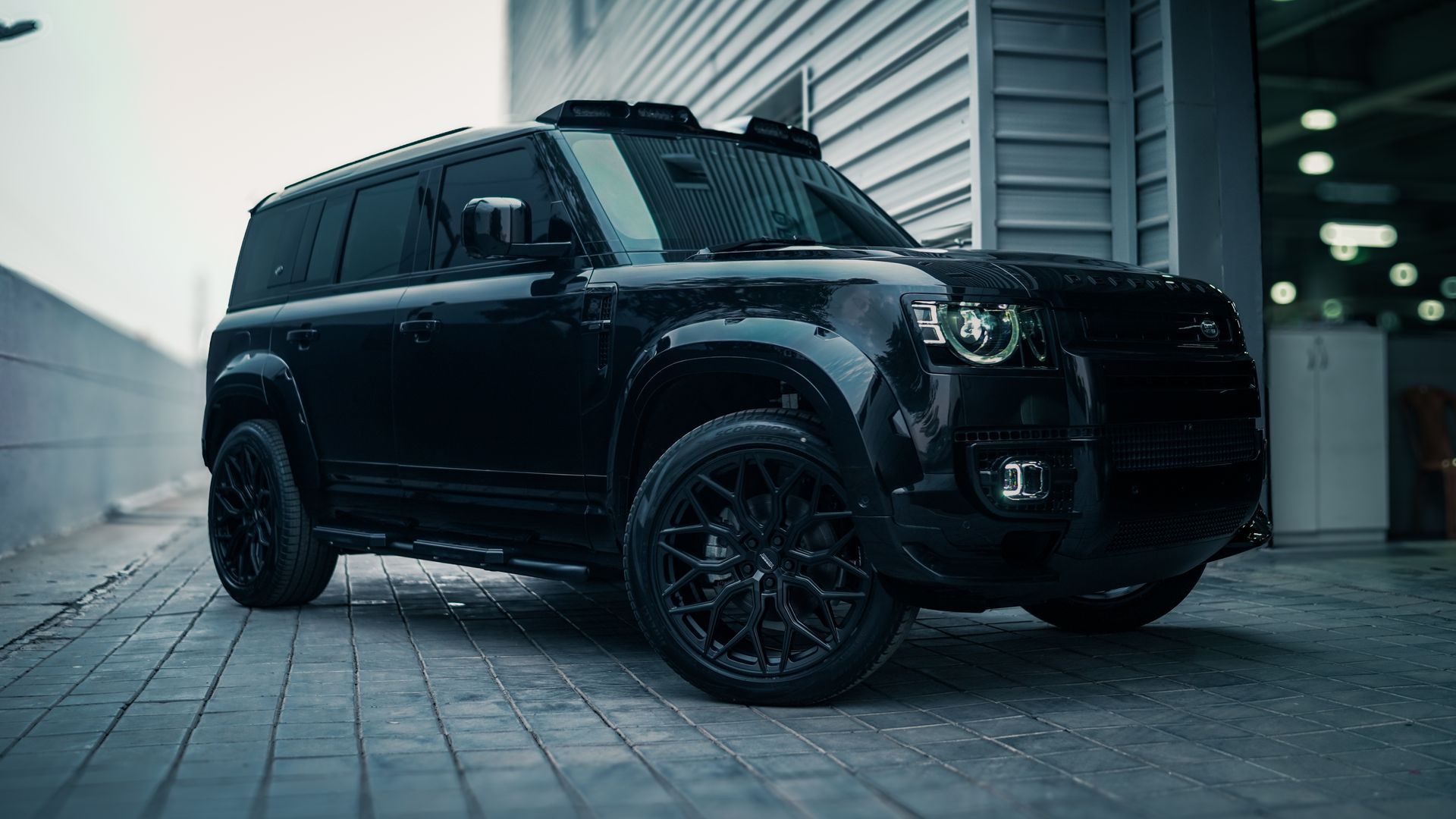
A sedan's glass area is relatively modest and evenly distributed. SUVs and trucks — especially larger three-row SUVs, crew cab trucks, and vehicles with panoramic sunroofs — have significantly more total glass, which means significantly more surface area for solar heat and UV radiation to enter the cabin. That extra glass compounds the cooling challenge: more heat gain to overcome, often across a larger interior volume, with rear seat passengers sitting further from the dashboard vents doing most of the initial cooling.
For truck owners specifically, cargo areas, tool boxes, and truck bed contents exposed through a truck cap or covered bed can also see meaningful heat and UV exposure that a well-chosen film addresses indirectly by reducing the vehicle's overall solar heat load.
Florida Tint Laws Treat SUVs and Trucks Differently Than Sedans
| Vehicle Type | Front Side Windows | Rear Side Windows & Rear Windshield |
|---|---|---|
| Sedans & Coupes | 28% VLT minimum | 15% VLT minimum |
| SUVs, Vans & Trucks | 28% VLT minimum | 6% VLT minimum |
This is one of the most practical differences SUV and truck owners should know about. Florida Statute 316.2953 through 316.2954 sets a 28% VLT minimum on front side windows for every vehicle type, but rear windows are treated differently based on vehicle classification:
That distinction means SUV and truck owners have significantly more room to go dark on rear windows — down to 6% VLT — compared to sedan owners, who are limited to 15% VLT on those same windows. For owners who want maximum privacy and heat rejection in the back seats or cargo area, that legal flexibility is worth factoring into the film and shade decision.
Why Ceramic Film Is the Top Choice for Larger Vehicles
Handles More Glass Without Requiring Extreme Darkness
Ceramic film delivers strong heat rejection independent of how dark the shade is, which matters more on a vehicle with substantially more glass to treat. Rather than needing an extremely dark film across every window just to manage cabin heat, ceramic film lets SUV and truck owners choose a shade based on preference and legal limits, while still getting strong performance against Florida's sun.
Superior Heat Rejection for Larger Cabin Volumes
Because SUVs and trucks have more interior volume for a hot cabin to fight against, the heat rejection difference between a basic dyed film and ceramic film is more noticeable on these vehicles than on a smaller sedan — particularly in third-row seating or extended cab areas positioned further from the front AC vents.
No Signal Interference for Modern Vehicle Electronics
SUVs and trucks face a different heat and sun challenge than a standard sedan — more glass surface area, taller cabins that trap more solar heat, and in many cases, a third row or cargo area that sits further from the AC vents doing the actual cooling work. If you're comparing tint options for a larger vehicle in Florida, the film that works well on a compact car isn't necessarily the best fit for a Tahoe, F-150, or Explorer.
The short answer: ceramic window film is the best overall choice for Florida SUVs and trucks, offering the strongest heat rejection and UV protection available — both of which matter more on larger vehicles with more glass to manage and more cabin volume for a solar-heated interior to fight against. Florida's tint laws also treat SUVs and trucks differently than sedans on rear windows, giving owners more flexibility to go darker back there without stepping outside legal limits.
Many SUVs and trucks now come equipped with more antennas, sensors, and connected features than a standard sedan — backup cameras, GPS, remote start, and cellular connectivity among them. Since ceramic film doesn't rely on metal content, it avoids the signal interference issues associated with older metalized film, which matters more as vehicles carry more built-in electronics relying on a clear signal path through the glass.
Comparing FormulaOne Film Options for SUVs and Trucks
| Film Series | Technology | Heat Rejection | Best For |
|---|---|---|---|
| Classic Series | Dyed | Moderate | Budget-conscious owners wanting basic UV/glare reduction |
| Comfort Series | Metallized | High | Strong heat rejection at a mid-range price point |
| Pinnacle Series | Ceramic | Very High | Most SUV and truck owners — strong all-around performance |
| Stratos Series | Advanced Ceramic | Highest | Owners prioritizing maximum heat rejection and clarity |
For most Florida SUV and truck owners, the Pinnacle or Stratos ceramic lines offer the best balance of performance for vehicles carrying more glass and more cabin volume than a typical sedan, while the Comfort series remains a solid mid-range option for owners prioritizing heat rejection on a tighter budget.

Additional Considerations for Larger Vehicles
Third-Row and Rear Quarter Windows
Vehicles with third-row seating often have additional rear quarter windows beyond the standard four-door configuration. These add to total tint square footage and should be factored into both film selection and cost expectations, since more windows generally means more material and labor.
Panoramic Sunroofs
Many larger SUVs come with expansive panoramic sunroofs, which introduce significant additional solar heat gain through the roof rather than just the side windows. Ceramic film options designed for sunroof application can meaningfully reduce this overhead heat source, which standard side-window tint alone doesn't address.
Windshield Strip Placement
Like sedans, SUVs and trucks are limited to a non-reflective tint strip above the manufacturer's AS-1 line on the windshield. Given the height and glass angle differences on many trucks and SUVs, correct AS-1 line placement is worth confirming with an experienced installer familiar with a range of vehicle body styles.
Does Tinting a Larger Vehicle Cost More?
Generally, yes — SUVs and trucks typically involve more total glass area, additional windows in some configurations, and sometimes more complex curves or an added sunroof, all of which factor into installation time and material cost compared to a standard sedan. A shop consultation is the most reliable way to get an accurate cost estimate specific to your vehicle's glass configuration, but it's worth budgeting somewhat above sedan pricing when comparing quotes for a full SUV or truck tint job.
How Professional SUV and Truck Tint Installation Works
1. Vehicle Assessment
An installer reviews the vehicle's specific window configuration, including any third-row glass, sunroof, or extended cab windows, to scope the full project accurately.
2. Film and Shade Selection
Based on priorities — maximum heat rejection, budget, or added rear-window privacy within Florida's more flexible SUV/truck limits — the right FormulaOne series and shade are selected for each window.
3. Glass Preparation
Each window is thoroughly cleaned to remove dust and residue before application, since any contamination can affect the finished result.
4. Precision Application
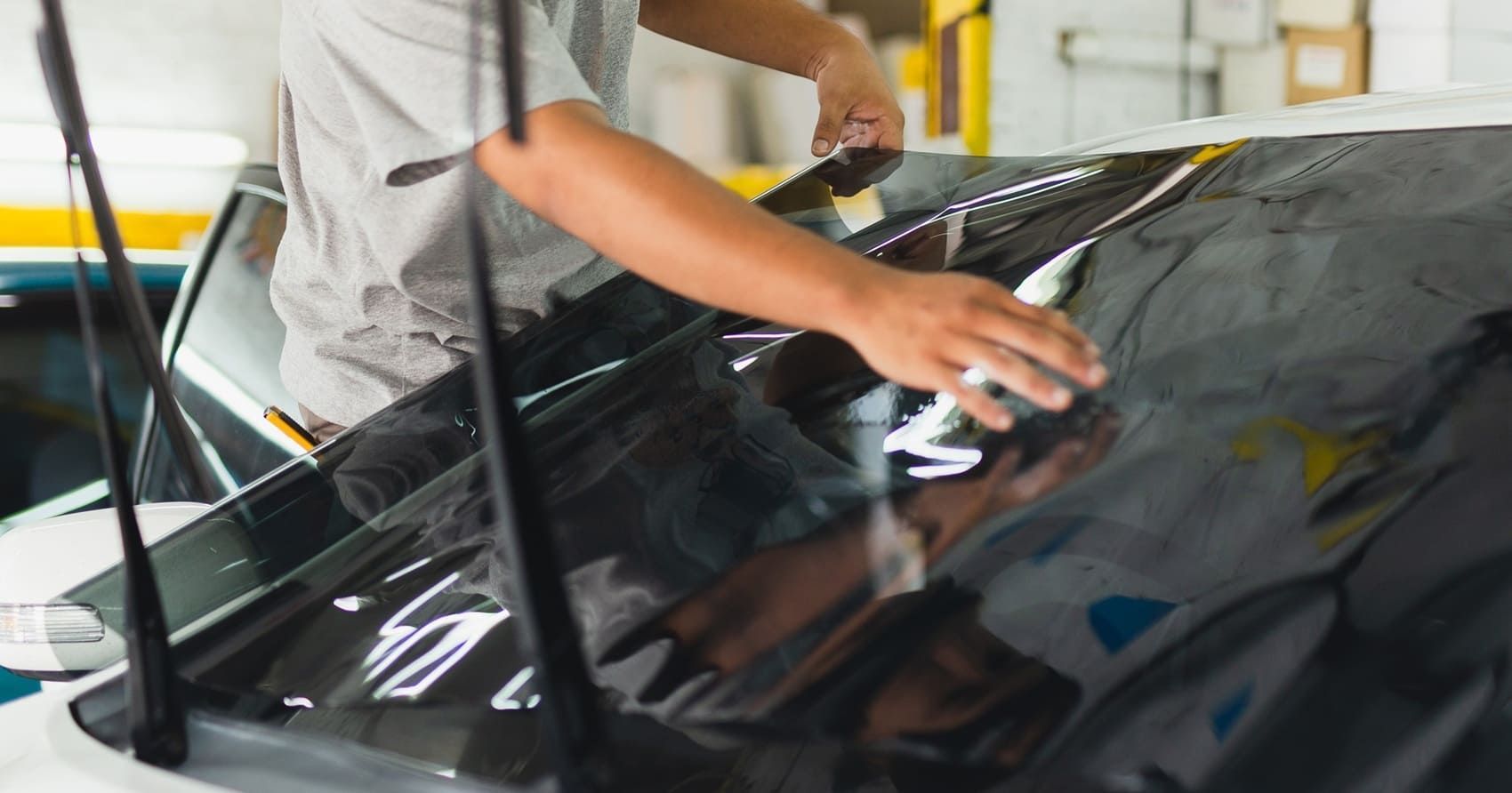
Film is cut and applied to each window, with careful attention to larger or curved glass surfaces that require more precise handling than a standard sedan window.
5. Curing
Ceramic film typically needs a short curing period to reach full clarity and performance after installation.
Why St. Johns County SUV and Truck Owners Choose All About Tint
All About Tint has served St. Augustine and St. Johns County since 1989, and as an exclusive LLumar SelectPro Dealer, offers the full FormulaOne film lineup — from the budget-friendly Classic series to the top-performing Stratos ceramic line — giving SUV and truck owners real options matched to their vehicle and budget. The shop also handles commercial vehicle tinting, giving it particular familiarity with larger vehicle glass configurations beyond standard passenger cars.
That range of experience matters for larger vehicles specifically, where getting film selection, shade, and legal compliance right across more windows takes more expertise than a routine sedan tint job.
Frequently Asked Questions About Window Tint for SUVs and Trucks
Can I tint my SUV's rear windows darker than a sedan's in Florida?
Yes. Florida allows rear side windows and the rear windshield on SUVs, vans, and trucks to go as dark as 6% VLT, compared to a 15% VLT minimum for sedans and coupes. Front side windows remain at a 28% VLT minimum for all vehicle types.
Is ceramic film worth the extra cost for a truck or SUV?
For most owners, yes — ceramic film's stronger heat rejection is more noticeable on vehicles with more glass and larger cabin volumes, and its UV protection benefits interior materials across a bigger vehicle more effectively than basic dyed film.
Does a panoramic sunroof need special tint film?
It's worth discussing specifically with your installer. Sunroofs introduce significant overhead heat gain that side-window tint alone doesn't address, so a dedicated sunroof film application is often worth considering for vehicles with large glass roofs.
Will tinting a truck cost more than tinting a sedan?
Generally, yes, due to additional glass area, extra windows in some configurations, and potentially a sunroof — all of which affect material and labor. A shop quote specific to your vehicle gives the most accurate cost picture.
Does ceramic film interfere with backup cameras or sensors?
No. Ceramic film doesn't contain metal, so it doesn't create the signal or sensor interference associated with older metalized films — a relevant consideration for modern SUVs and trucks with more built-in electronics.
Which FormulaOne series is best for a Florida truck owner on a budget?
The Comfort series, a metallized film, offers strong heat rejection at a lower price point than the ceramic Pinnacle or Stratos lines, making it a reasonable middle-ground option for budget-conscious truck owners.
Get the Right Tint for Your SUV or Truck
Larger vehicles face a bigger heat and UV challenge than standard sedans, and Florida's more flexible rear-window tint limits for SUVs and trucks give owners real options for addressing it. Ceramic film generally delivers the strongest overall performance, but the right choice depends on your vehicle's specific glass configuration and your budget.
All About Tint offers free estimates for auto window tinting throughout St. Augustine and St. Johns County. Call (904) 806-5996 or visit the shop at 3175 US-1 #1, St. Augustine, FL to find the right film for your SUV or truck.