How Much Heat Can Ceramic Tint Block in Florida Cars?
If you drive in St. Augustine, FL or anywhere in St. Johns County, you already know what it feels like to open a car door after it has been sitting in the Florida sun. The steering wheel burns, the seat is unbearable, and the air conditioning has to work twice as hard just to bring the cabin to a comfortable temperature. Cabin heat is one of the biggest daily comfort problems for Florida drivers, and it only gets worse through the long summer months that define Northeast Florida living.
Here is something many drivers do not realize: heat rejection is measured differently than tint darkness. A darker film does not automatically mean a cooler cabin. The two are separate performance metrics, and understanding that difference is the key to choosing the right film for real-world heat reduction.
Ceramic window tint uses nano-ceramic particles to block infrared radiation, which is the primary source of solar heat, far more effectively than dyed or carbon film. For Florida vehicle owners who want a noticeably cooler cabin, stronger UV protection, and long-term color stability, ceramic tint is one of the most effective upgrades available. The right decision depends on which ceramic film series is chosen, your vehicle's glass area, and the VLT shade that fits your needs and Florida law.
This guide covers everything St. Augustine drivers need to know about ceramic tint heat rejection, how it compares to other film types, and which FormulaOne ceramic series from LLumar delivers the best performance for Florida heat.
Table of Contents
1. How Heat Rejection Is Actually Measured in Window Tint
2. How Much Heat Ceramic Tint Blocks Compared to Dyed and Carbon Film
3. Why Nano-Ceramic Particles Outperform Traditional Tint Technology
4. Does Darker Tint Mean More Heat Rejection? Clearing Up the Myth
5. Comparing FormulaOne Ceramic Film Series for Florida Heat
6. How Much Cooler Ceramic Tint Actually Makes Your Cabin
7. Choosing the Right Ceramic Shade for Your Vehicle and Florida Driving
8. Frequently Asked Questions
9. Conclusion and Next Steps
1. How Heat Rejection Is Actually Measured in Window Tint
Understanding ceramic tint heat rejection starts with knowing how the industry measures solar performance. There are three key metrics every Florida driver should understand before choosing a film.
Total Solar Energy Rejected (TSER)
TSER is the most comprehensive measure of a film's heat-blocking ability. It represents the percentage of total solar energy, including visible light, infrared radiation, and ultraviolet radiation, that a film prevents from passing through the glass. A film with a TSER rating of 60 percent blocks 60 percent of all solar energy. For Florida drivers, TSER is one of the most useful numbers to compare when evaluating films side by side.
Infrared Rejection (IRR)
Infrared radiation accounts for roughly 53 percent of the solar energy that reaches your vehicle. It is invisible to the human eye but is the primary driver of heat buildup inside your cabin. Infrared rejection measures how much of this specific wavelength a film blocks. High-performance ceramic films are engineered specifically to target infrared rejection, which is why they outperform other film types for heat reduction regardless of shade.
Visible Light Transmission (VLT)
VLT is the percentage of visible light that passes through the film. A 35 percent VLT film allows 35 percent of visible light through. Lower VLT means a darker film, but as explained below, VLT and heat rejection are not the same measurement and do not move together automatically.
2. How Much Heat Ceramic Tint Blocks Compared to Dyed and Carbon Film
The heat blocking performance gap between ceramic film and other film types is significant, especially in Florida's intense sun exposure. Here is how the three main film categories compare across the performance metrics that matter most for St. Augustine drivers.
| Performance Factor | Dyed Film | Carbon Film | Ceramic Film |
|---|---|---|---|
| Infrared Heat Rejection | Low (5–20%) | Moderate (40–60%) | High (60–90%+) |
| UV Rejection | Up to 99% | Up to 99% | Up to 99% |
| Optical Clarity | Moderate (color cast possible) | Good (neutral tone) | Excellent (true-to-color) |
| Signal Interference (GPS, Phone, Radio) | None | Minimal | None |
| Fade and Color-Shift Resistance | Low (fades to purple over time) | Good (stable carbon particles) | Excellent (non-metallic, highly stable) |
| Cost | Budget-friendly | Mid-range | Premium |
| Typical Warranty Coverage | Limited, varies by installer | 5–10 years typically | Lifetime (with professional installation) |
For Florida drivers dealing with year-round intense sun, the infrared rejection gap between ceramic and dyed film is the most important number in this table. A dyed film that looks dark provides almost no meaningful infrared heat blocking. A ceramic film at the same or even lighter shade can block several times more heat by targeting the infrared spectrum directly.
3. Why Nano-Ceramic Particles Outperform Traditional Tint Technology
The reason ceramic tint outperforms dyed and carbon film for heat rejection comes down to the technology embedded in the film itself. Nano-ceramic particles are microscopic ceramic compounds that are integrated into the film's layers during manufacturing. These particles are specifically engineered to absorb and reflect infrared radiation without relying on metallic compounds or heavy pigmentation.
Non-Metallic, Non-Conductive Construction
Traditional metallic films use metal particles to reflect heat. While effective at blocking infrared radiation, metallic films interfere with radio frequencies and can disrupt GPS signals, cell phone reception, and satellite radio. Ceramic films achieve the same and often greater infrared blocking through nano-ceramic technology that is completely non-metallic and non-conductive, meaning zero signal interference for modern drivers.
Selective Filtering of the Solar Spectrum
Nano-ceramic particles are designed to be highly selective in what they filter. They target the infrared wavelengths responsible for heat while allowing visible light to pass through with excellent optical clarity. This is why a light-shade ceramic film can outperform a dark dyed or carbon film on pure heat rejection. The film is doing targeted work at the wavelength level rather than simply blocking everything by going darker.
Stability Under Prolonged UV and Heat Exposure
In Florida's climate, film durability is not a minor consideration. The ceramic particle structure is chemically stable under prolonged sun exposure. Unlike dyed films that fade and shift color as the dye breaks down, or carbon films that can show gradual degradation over years of intense UV exposure, ceramic films maintain their performance and appearance over the long term.
4. Does Darker Tint Mean More Heat Rejection? Clearing Up the Myth
This is one of the most common misunderstandings among drivers shopping for window tint in Florida. The assumption is intuitive: a darker film should block more heat. In reality, VLT and heat rejection measure two different things, and a darker film does not guarantee better heat blocking.
VLT Controls Visible Light, Not Infrared Heat
A 5 percent VLT dyed film is very dark and blocks most visible light. But because dyed film has almost no infrared blocking capability, it does very little to reduce the actual heat load entering your cabin. A 50 percent VLT ceramic film, which appears quite light and is legal on all windows in Florida, can dramatically outperform that dark dyed film on total solar energy rejected because it is targeting infrared radiation specifically.
Heat Rejection Depends on Film Technology, Not Just Shade
Two films at exactly the same VLT shade can deliver completely different heat rejection performance depending on their construction. When comparing films for Florida driving, always ask for the TSER and infrared rejection ratings, not just the VLT shade. Those numbers tell the real story about how much heat the film will block in your vehicle.
Florida's VLT Laws Still Matter
Florida law requires at least 28 percent VLT on front side windows and at least 15 percent VLT on rear side and rear windows for passenger vehicles. Understanding these limits is important when choosing a shade, but remember that even a light legal shade in ceramic can deliver significantly more heat rejection than a very dark dyed or carbon film at the same or lower VLT.
5. Comparing FormulaOne Ceramic Film Series for Florida Heat
All About Tint installs LLumar FormulaOne ceramic film, one of the most respected product lines in the professional window tint industry. FormulaOne offers multiple ceramic film series, each engineered to different performance levels to meet different budgets and heat rejection goals. For St. Augustine and Northeast Florida drivers choosing between series, here is how the main options compare.
| FormulaOne Series | Infrared Rejection | Heat Rejection Level | Optical Clarity | Signal Interference | Best For |
|---|---|---|---|---|---|
| Stratos | Up to 97% | Maximum | Exceptional | None | Maximum heat rejection, premium performance, highest comfort |
| Pinnacle | Up to 95% | Very High | Excellent | None | High performance ceramic with strong warranty coverage |
| Comfort | Up to 80% | High | Very Good | None | Everyday drivers wanting strong heat reduction at mid-range cost |
| Classic | Moderate | Moderate | Good | None | Entry-level ceramic with UV protection and basic heat improvement |
For Florida drivers who spend significant time in the car or who deal with long commutes through St. Johns County and Northeast Florida, the Stratos and Pinnacle series offer the most meaningful difference in real-world cabin comfort. All FormulaOne ceramic series are non-metallic, which means no signal interference with GPS, Bluetooth, cell service, or satellite radio regardless of which series you choose.
The Lifetime Warranty Advantage
LLumar FormulaOne ceramic films come backed by a Lifetime Warranty when professionally installed. For Florida drivers where intense UV and heat exposure is a daily reality, a Lifetime Warranty covering color stability, adhesion, and performance is a meaningful long-term value that budget dyed or carbon alternatives cannot match.
6. How Much Cooler Ceramic Tint Actually Makes Your Cabin
The question Florida drivers most want answered is simple: how much of a difference will ceramic tint actually make inside my car? The answer depends on several real-world variables including the series chosen, the number of windows tinted, your vehicle's glass area, and parking and driving conditions.
Surface Temperature Reduction
High-performance ceramic films can reduce the surface temperature of window glass significantly by blocking the infrared radiation that would otherwise pass through and heat interior surfaces. Seats, dashboards, door panels, and steering wheels can all reach lower peak temperatures when a quality ceramic film is applied, reducing the need for prolonged air conditioning to cool the cabin before it becomes comfortable.
Air Conditioning Load Reduction
When your cabin is cooler at entry and heats more slowly while driving, your air conditioning system does not have to work as hard to maintain a comfortable temperature. This means the system cycles less aggressively, the compressor runs fewer hours under heavy load, and your engine efficiency improves modestly. Over time, reduced AC strain also has minor benefits for fuel economy, though individual results vary by vehicle and driving pattern.
Tinting All Windows for Maximum Effect
Florida drivers often focus on side windows, but the rear window, rear side windows, and where legally permitted the windshield and sunroof all contribute to total heat load. Tinting all legal surfaces with FormulaOne ceramic film delivers the most complete heat rejection solution. Each additional window treated reduces the total infrared energy entering the cabin.
7. Choosing the Right Ceramic Shade for Your Vehicle and Florida Driving
Once you have decided on ceramic film for heat rejection, choosing the right VLT shade comes down to three factors: Florida law, your personal preference for visibility and privacy, and the heat rejection performance you want.
Front Side Windows: 28 Percent VLT or Lighter
Florida law requires front side windows to allow at least 28 percent visible light transmission. A 35 percent VLT ceramic film is a popular choice here because it provides a moderate tint appearance, strong heat rejection, and full legal compliance. If you prefer a lighter appearance with maximum visibility, a 50 percent VLT ceramic film still delivers strong infrared heat rejection while being nearly transparent in appearance.
Rear Side and Rear Windows: 15 Percent VLT or Lighter
Rear windows have more flexibility under Florida law, allowing VLT as low as 15 percent. Many Florida drivers choose a 20 to 35 percent VLT ceramic film on rear windows for privacy and additional heat rejection in the back half of the cabin. With ceramic film technology, even a 35 percent rear film blocks significantly more heat than a 5 percent dyed film.
Windshield and Sunroof Considerations
Florida law permits a non-reflective tint strip on the windshield above the AS-1 line. For sunroofs, ceramic film is an excellent option where the roof panel is glass, as it targets one of the highest direct heat entry points in the vehicle. Discuss windshield and sunroof tinting options with All About Tint to understand what is possible for your specific vehicle.
Consulting a Professional for the Best Result
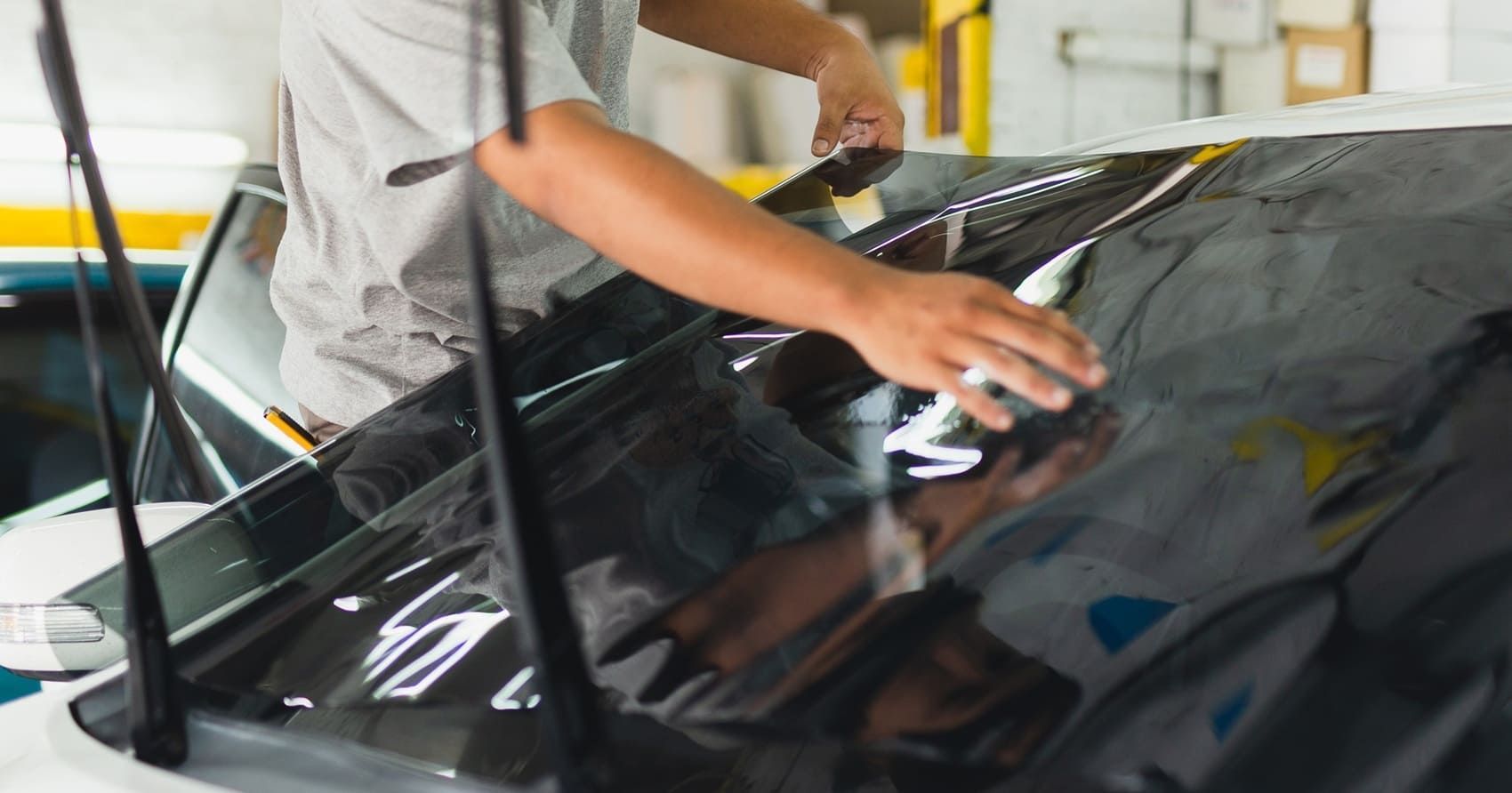
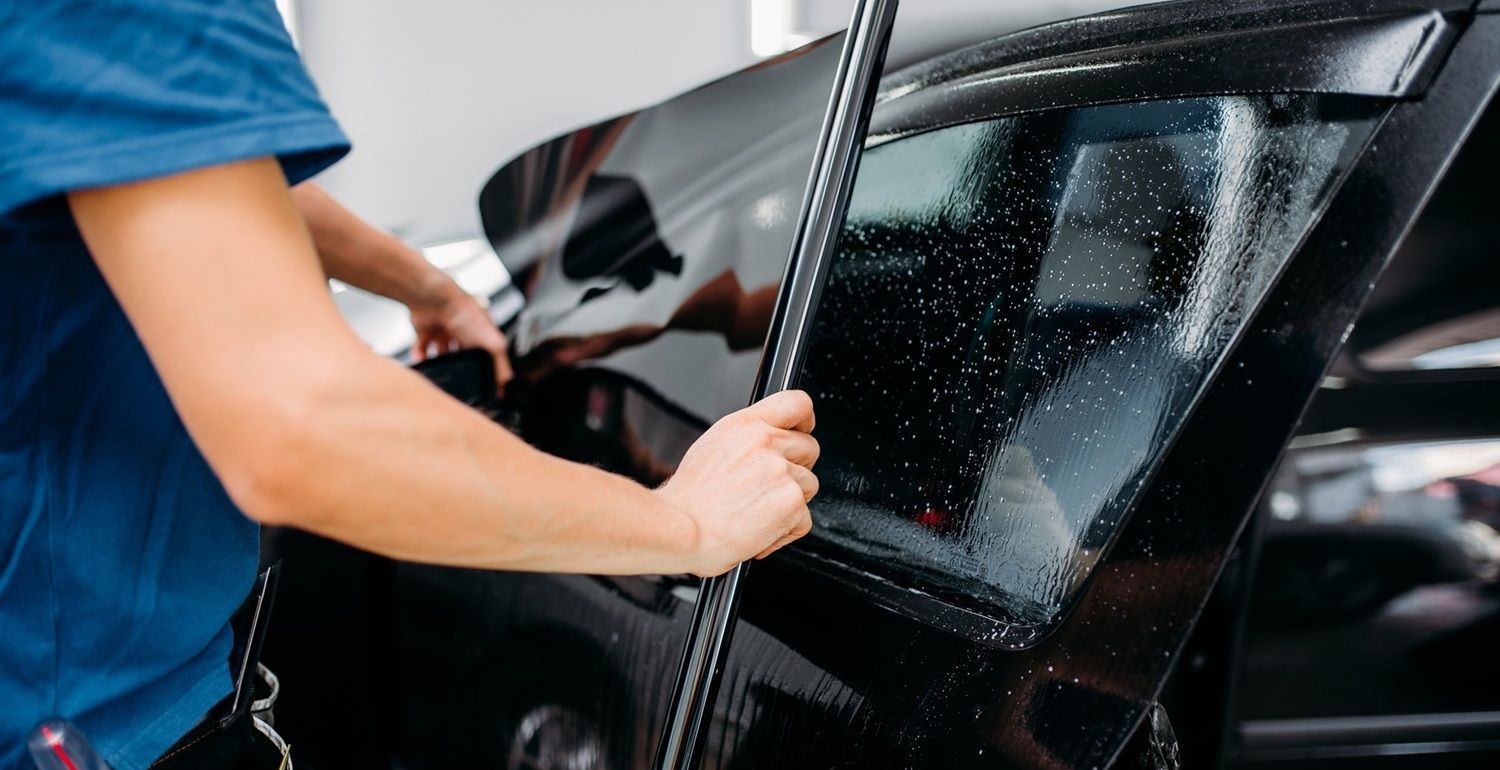
Every vehicle has different glass dimensions, curvature, and factory glass specifications that affect how a tint film performs and how it needs to be cut and applied. A professional installation consultation ensures the film is matched to your vehicle correctly, applied without bubbles or imperfections that affect clarity and performance, and documented for Lifetime Warranty registration.
Frequently Asked Questions About Ceramic Tint Heat Rejection in Florida
How much heat does ceramic tint block compared to no tint at all?
High-performance ceramic films can reject 60 to over 90 percent of infrared radiation compared to untinted glass, which provides no infrared blocking at all. The total solar energy rejected by a quality ceramic film can reach 60 to 70 percent or more depending on the series and shade chosen, resulting in a noticeably cooler cabin in Florida's heat.
Does ceramic tint block more heat than carbon tint?
Yes, in most cases ceramic tint blocks significantly more heat than carbon tint at the same shade. Carbon film typically achieves 40 to 60 percent infrared rejection. Premium ceramic films like LLumar FormulaOne Stratos reach up to 97 percent infrared rejection, a substantial performance difference that is very noticeable in Florida's daily heat.
Does a darker tint shade mean better heat rejection?
No. Visible light transmission and infrared heat rejection are separate measurements. A light-shade ceramic film can and often does outperform a very dark dyed or carbon film on heat rejection because ceramic technology targets infrared radiation directly rather than simply blocking more visible light.
Does ceramic tint help reduce heat through a windshield or sunroof?
Yes. Where ceramic film is applied to windshield strips or glass sunroofs, it blocks the same percentage of infrared radiation as on side and rear windows. Sunroofs in particular are a significant heat entry point because they receive direct overhead sun, and applying ceramic film there can meaningfully reduce cabin temperature in Florida's intense midday heat.
Will ceramic tint interfere with my GPS, phone signal, or radio?
No. LLumar FormulaOne ceramic film is non-metallic and non-conductive, which means it does not interfere with GPS signals, cell phone reception, Bluetooth, satellite radio, or any other electronic signals. This is a key advantage over older metallic films that were known to disrupt in-car electronics.
How quickly will I notice a difference in cabin temperature after ceramic tint is installed?
Most drivers notice a meaningful difference on their first drive after installation. The most dramatic improvement is typically felt when entering a parked car that has been sitting in direct sun, because the film has been working continuously to reduce the heat buildup inside. Interior surfaces will be cooler to the touch and the air conditioning will reach a comfortable temperature faster.
Which FormulaOne ceramic series offers the highest heat rejection for Florida drivers?
FormulaOne Stratos offers the highest infrared rejection in the LLumar FormulaOne lineup, with up to 97 percent IR rejection. For Florida drivers who want maximum cabin heat reduction and the best overall performance, Stratos is the top-tier choice. FormulaOne Pinnacle is a strong alternative with up to 95 percent IR rejection and excellent long-term stability.
Is ceramic tint worth the extra cost compared to dyed or carbon film for a Florida vehicle?
For most Florida drivers, yes. The performance gap in infrared heat rejection is substantial, and in a climate with as much sun exposure as Northeast Florida, that difference translates to daily comfort improvements, reduced air conditioning strain, and long-term color stability backed by a Lifetime Warranty. Over the life of ownership, ceramic film is a strong value compared to dyed or carbon alternatives that may need replacement sooner.
What are the legal VLT limits for ceramic tint in Florida?
Florida law requires front side windows to have at least 28 percent VLT. Rear side and rear windows must allow at least 15 percent VLT for passenger vehicles. These limits apply equally to ceramic film and any other film type. A professional installer will help you choose a shade that delivers your desired heat rejection while staying within Florida's legal requirements.
How does professional installation affect the heat rejection performance of ceramic tint?
Professional installation ensures the film is applied cleanly without bubbles, lifting edges, or gaps that reduce performance and appearance. It also ensures the film is cut precisely for your vehicle's glass dimensions and that the Lifetime Warranty is valid. Improper DIY installation can compromise adhesion, cause premature failure, and void the warranty entirely, which eliminates the long-term value of investing in a premium ceramic film.
Conclusion: Ceramic Tint Is One of the Smartest Upgrades for Florida Drivers
If you drive in St. Augustine, St. Johns County, or anywhere in Northeast Florida, cabin heat is a daily challenge. Ceramic window tint addresses that challenge more effectively than any other film type on the market. By using nano-ceramic particles to target and block infrared radiation at the source, ceramic films achieve heat rejection levels that dyed and carbon films simply cannot match, regardless of shade.
The difference is real and noticeable. High-performance ceramic film can block 60 to over 90 percent of infrared radiation. Interior surfaces stay cooler, air conditioning reaches comfortable temperatures faster, and your cabin stays more comfortable even after hours of direct Florida sun exposure. At the same time, LLumar FormulaOne ceramic film delivers excellent optical clarity, zero signal interference, and long-term color stability backed by a Lifetime Warranty.
Whether you are looking for everyday comfort improvement or maximum heat rejection for your daily commute through Northeast Florida, there is a FormulaOne ceramic series matched to your performance goals and budget.
All About Tint specializes in professional LLumar FormulaOne ceramic tint installation for vehicle owners in St. Augustine and St. Johns County. Contact us today for a free estimate and personalized consultation. Our team will help you choose the right ceramic film series and shade for your vehicle so you can start driving cooler, more comfortably, and with complete confidence in the investment you are making.
Recent Posts